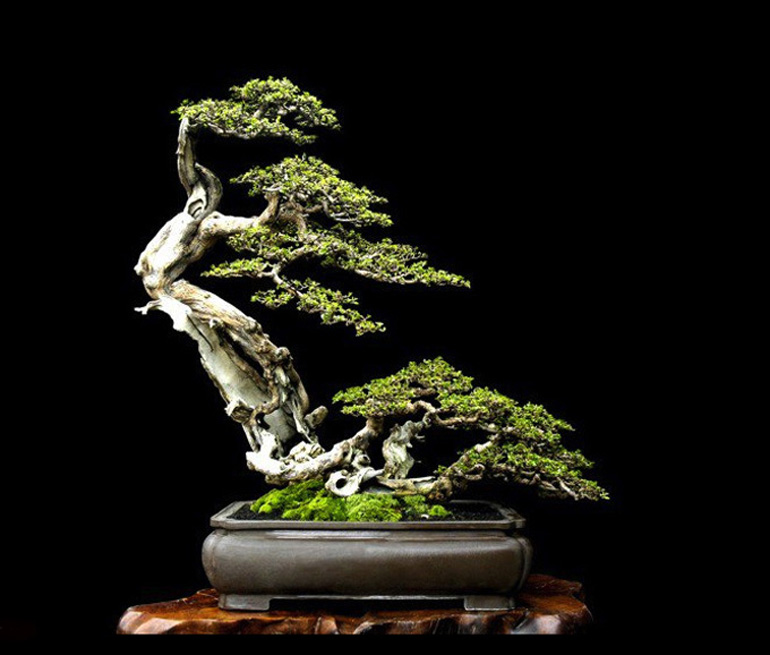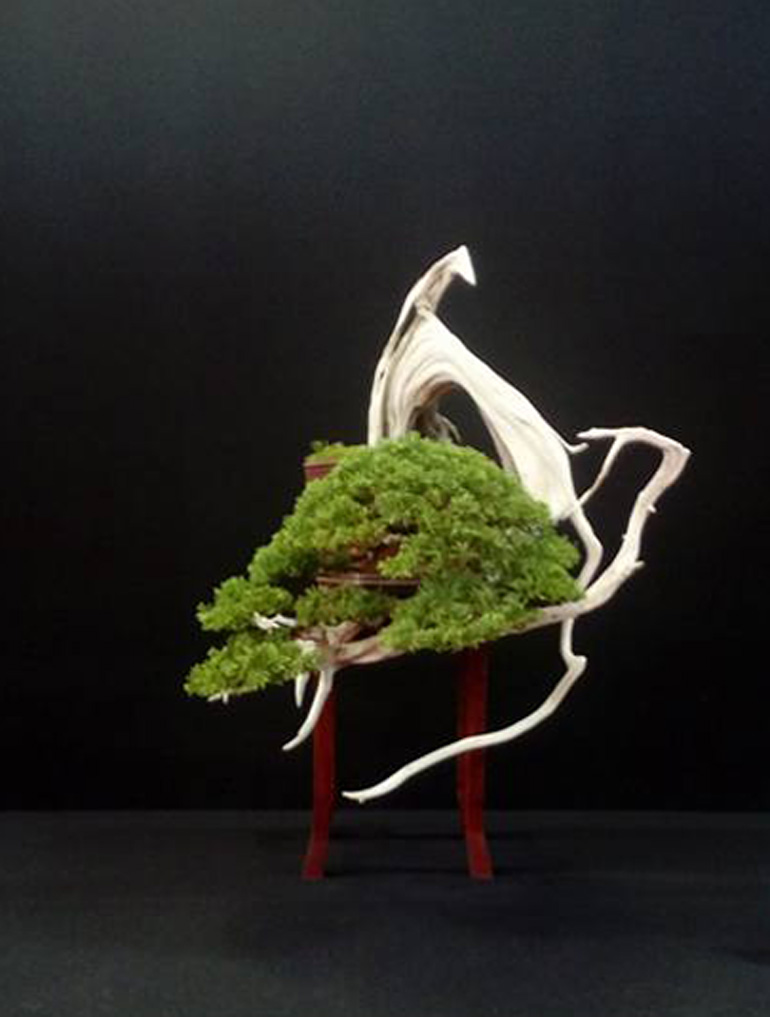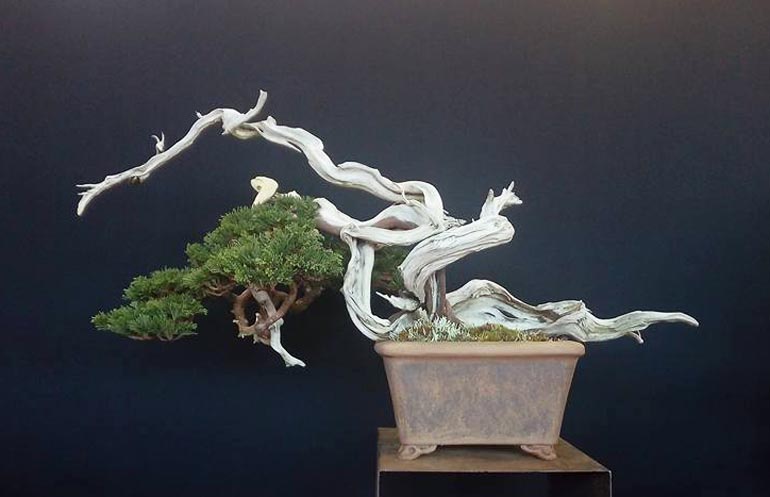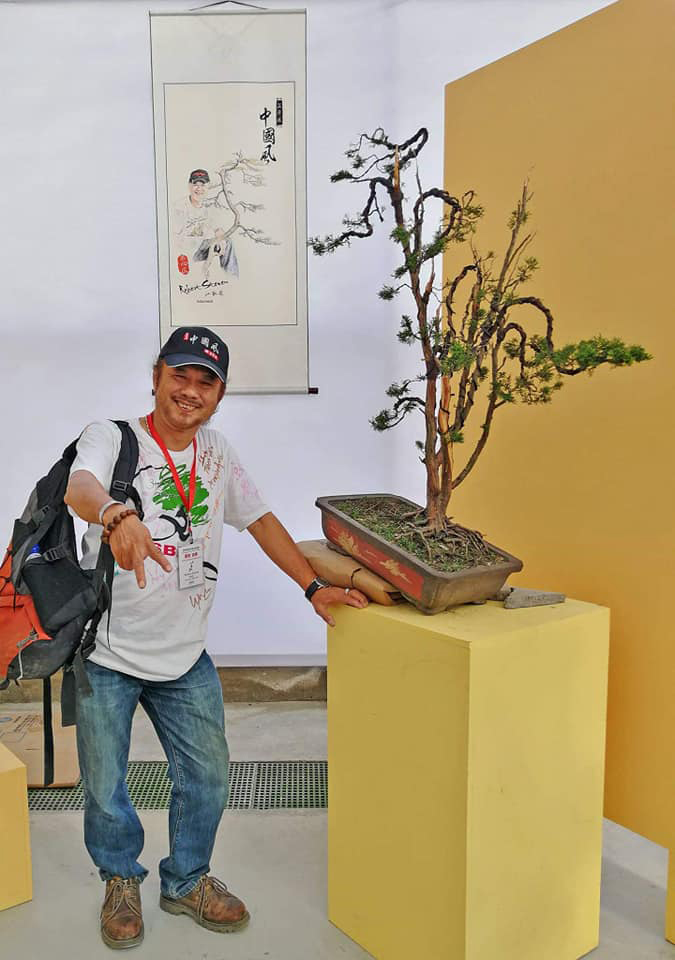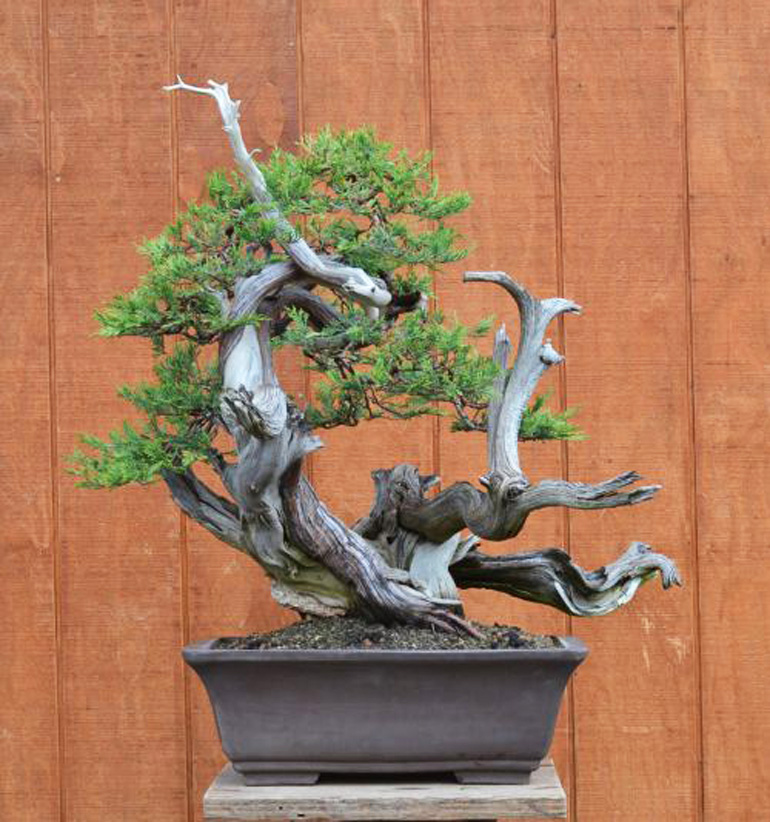
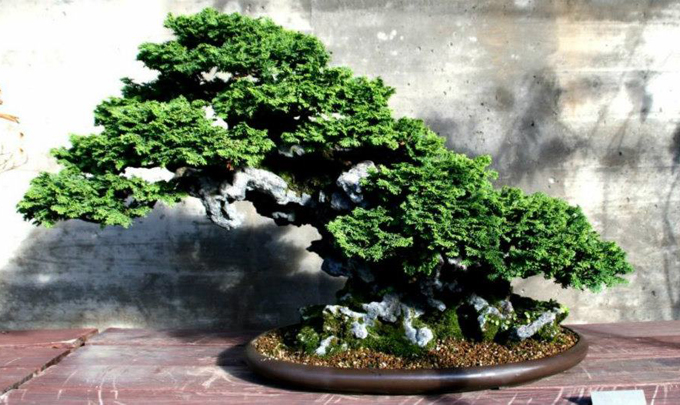
This old collected Rocky Mountain juniper is from Michael Hagedorn's Crataegus Bonsai portfolio.
Spent long days all weekend rewriting my old copy for all 700 or so of our products for our new, soon to be live website. It’s a big job, but essential. If you don’t believe me, read some of our current, soon to be replaced thirteen year old website and you’ll see what I mean.
Anyway, I’m not finished yet and time is still compressed, so it’s back to our archives. This one originally appeared here in April, 2015. It’s one of the best pieces of bonsai advice I’ve ever read, and should be posted at least once a year
What follows has been lifted word for word, photo for photo from Michael Hagedorn’s Crataegus Bonsai. There’s much more where this came from and I encourage you to visit Michael’s Crataegus Blog. His depth and breath of bonsai wisdom will always make it worth your time
Now a quick word from our sponsor…
–
Specials include items already discounted
*It’s not really spring here yet, but it might be where you live
–
Michael’s Spring Watering Tips
April 17, 2015 by Michael Hagedorn, Crataegus Bonsai (Michael’s text and captions are in italics).
“There are a lot of things we might say about watering bonsai. I’ve tried a few times on this blog to mention some of them. Some are hard to make sense of in words, but as ever I’m willing to try. This one is about watering recently repotted trees.
“At post-repotting time we need to be awake to one change-up, and that is that the interior soil mass (the part that was returned to the pot) may dry out much faster than you’d think.”
"If that interior area is full of fine roots, it will dry out fast after repotting."
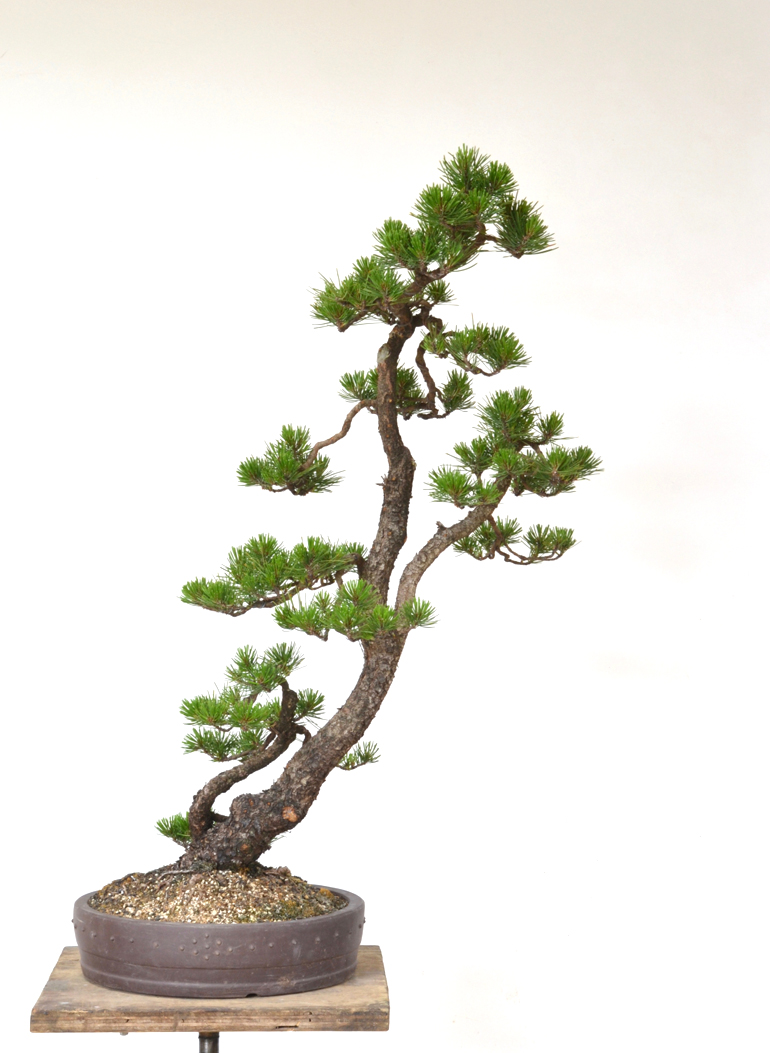
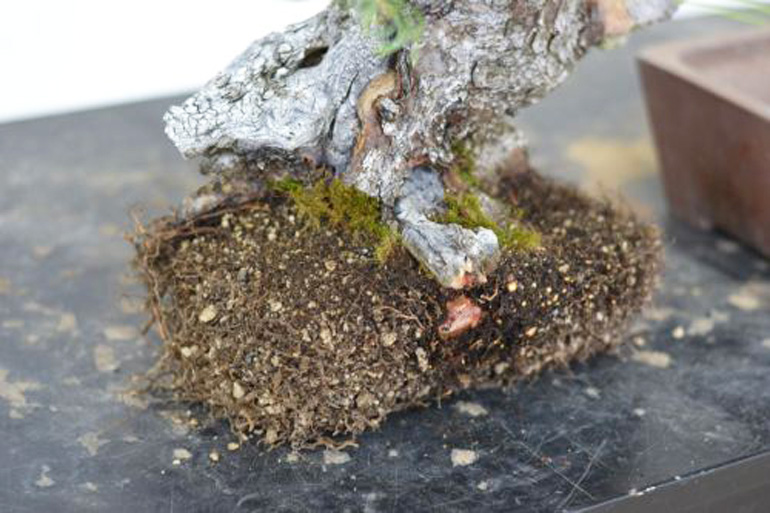 "This pine is beginning to develop a solid mass of soil and roots, and this is the area that we’ll take our moisture ‘read’ from when deciding when to water. When dry, it will look very light colored compared to the surrounding new soil."
“If you cut all the fine roots off in repotting your tree, shame on you, but that’s a different issue. For the sake of this example, we’ll assume you have fine roots, and that we’re talking only about established trees with a solid mass of roots and soil. There are myriad other situations, such as proto-root balls with stringy roots that don’t yet hold soil together, but these photos show what we’re hoping for and working towards.”
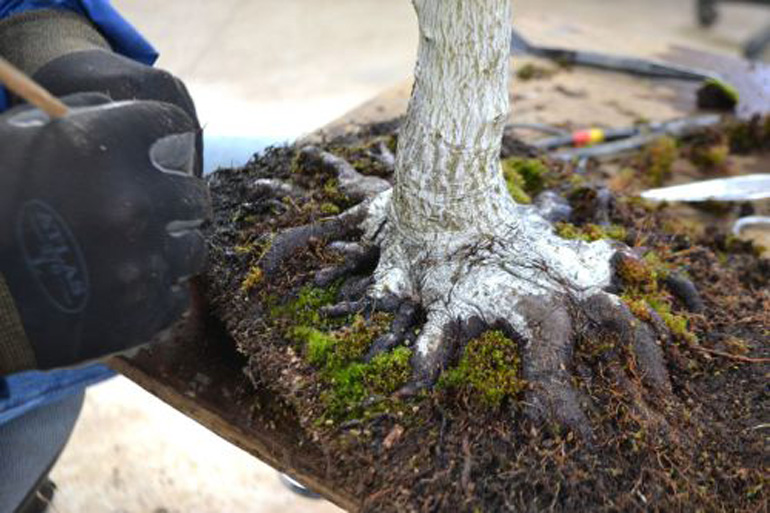 "A deciduous tree with a very mature ‘loaf’ of roots and soil that is returned to the pot, to be surrounded with new soil."
“Especially with conifers, we usually don’t prune any branches at the same time as repotting. And so…
"In repotting refined bonsai, we’ve created a situation where fewer roots are going to be supplying the same upper water need."
“This interior mass we’re talking about, this is the area you should watch to determine when to water. Ignore, for a few weeks at least, taking your moisture reading from the new soil you’ve settled in around the original mass. There’s no active roots in the new soil yet and it won’t be drying out fast.”
"Another thing to keep in mind when repotting is to keep a portion of this old soil mass exposed, not covered with new soil, so that you can see when it’s drying out."
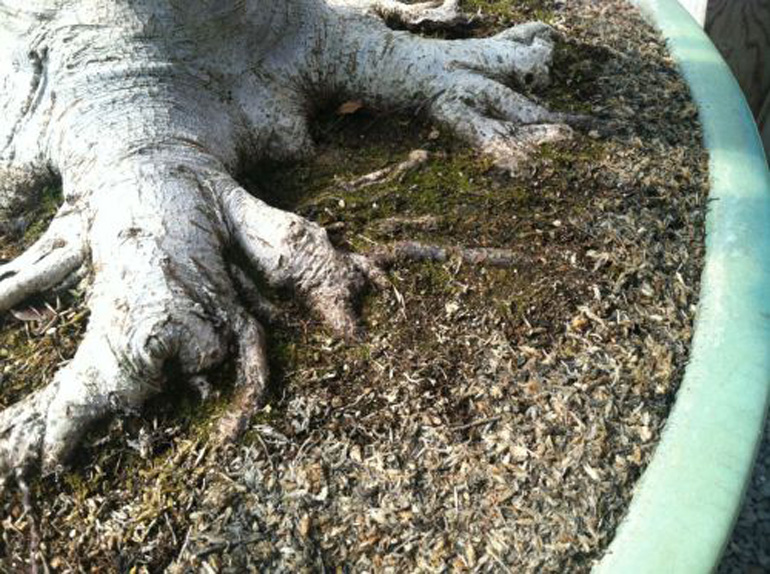 "Freshly repotted beech, showing the two zones of soil—the older soil that is a bit green and mossy near the roots, and the newer soil that is gray (sphagnum moss covering new soil, actually). The older soil will be our indicator when to water, and is not covered with new soil on top but is exposed."
“In many cases you’ll be watering when the new soil is still moist. So we ignore that area. Again, I’m only commenting on watering repotting bonsai with more mature root structures.
“To sum up, only read the moisture level where there are roots to determine when to water.
Wordy post. Hope some of that made sense!
“Here’s a previous post about watering that might spread a broader net around the issue of watering.”
All the above photos above and all the text in quotes are from Michael Hagedorn’s Crataegus Bonsai.
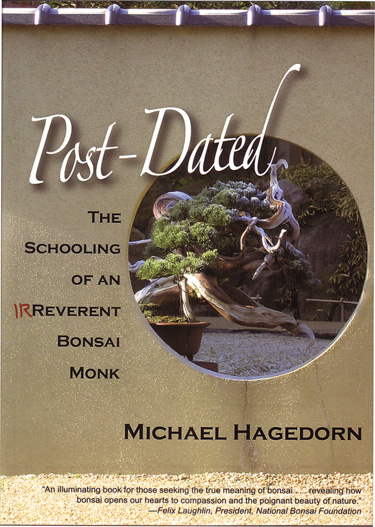
I’ve said it before… Still the best bonsai read in the English language
–
STONELANTERN.COM
–
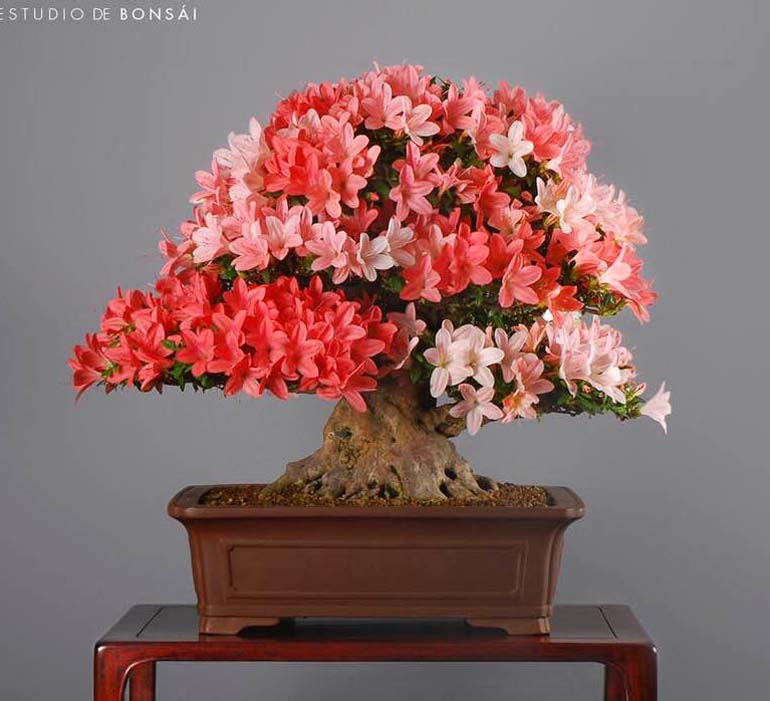
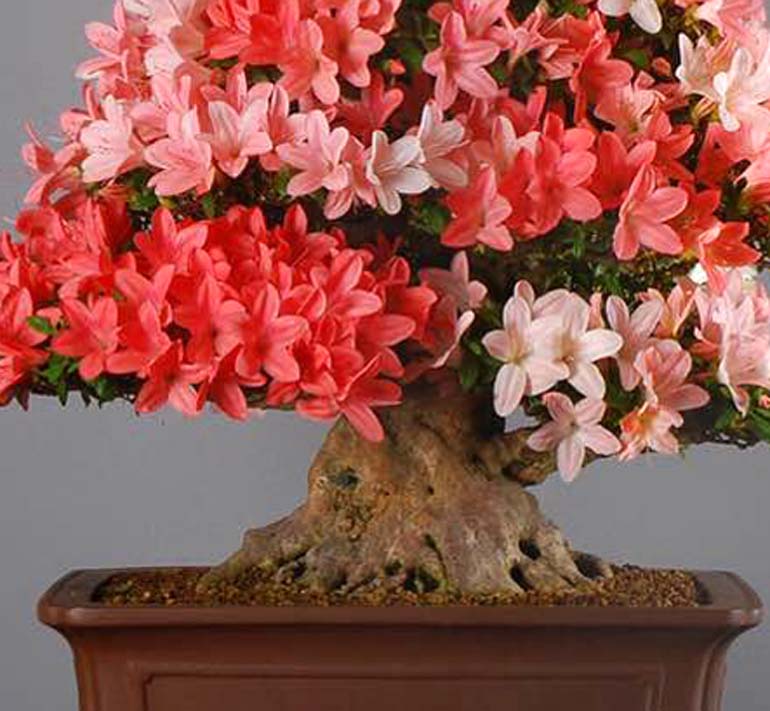
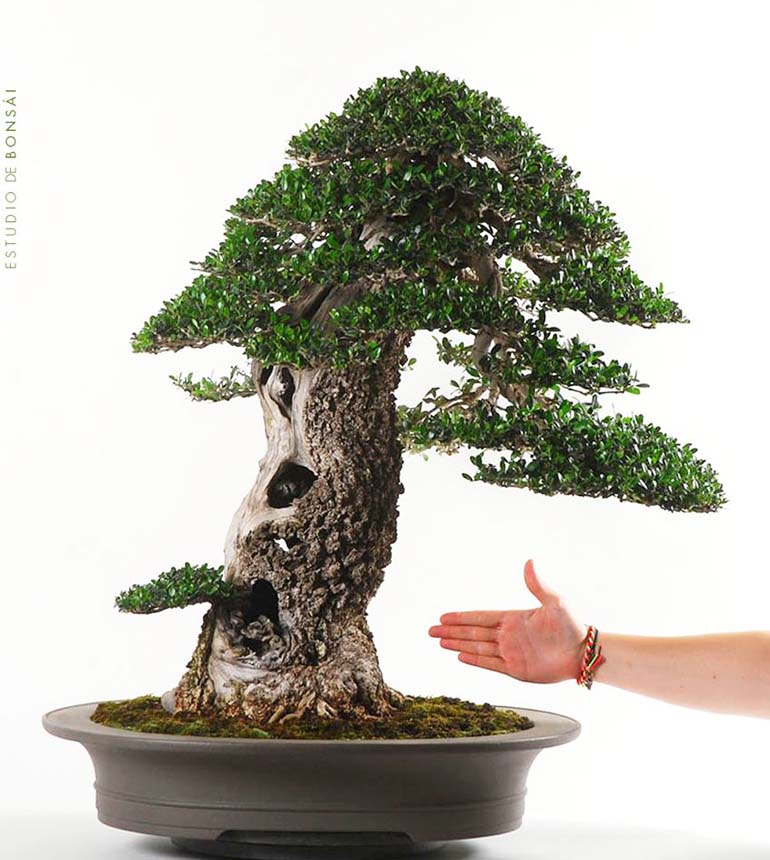
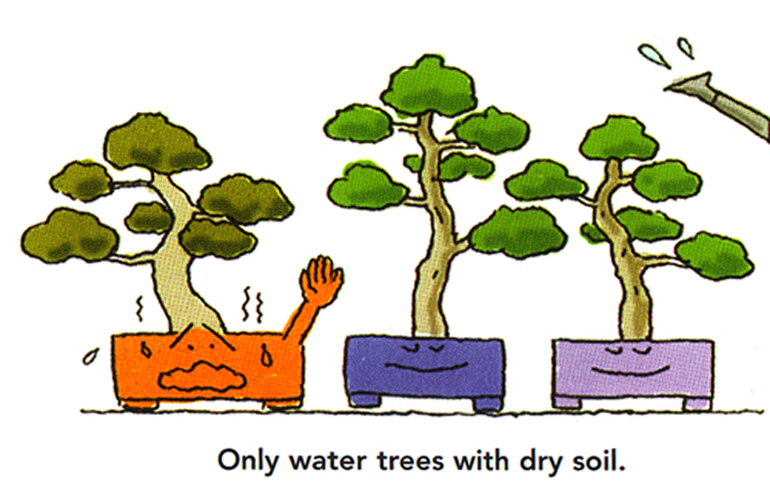 This illustration by Kyosuke Gun is from our Masters' Series Juniper book (due back in print in 3 or 4 weeks). It is a perfect fit for this post that is borrowed from Michael Hagedorn's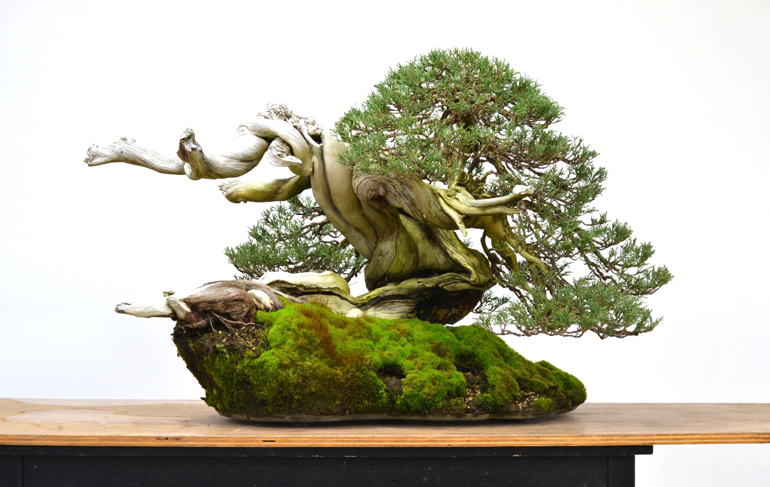

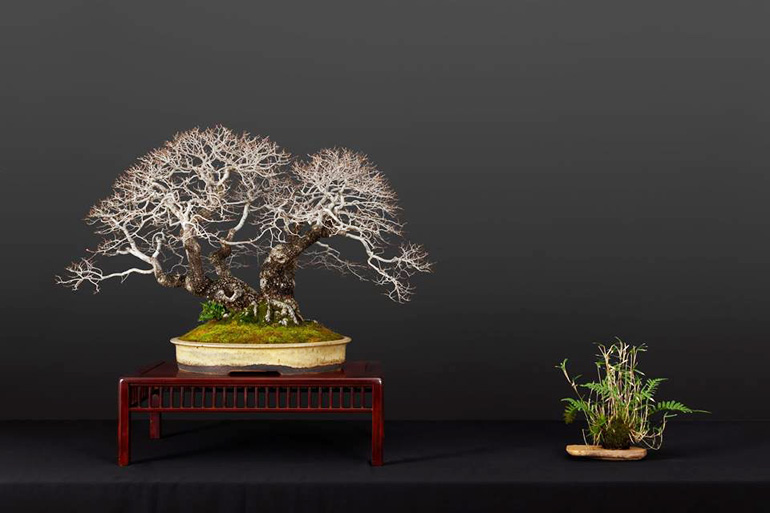
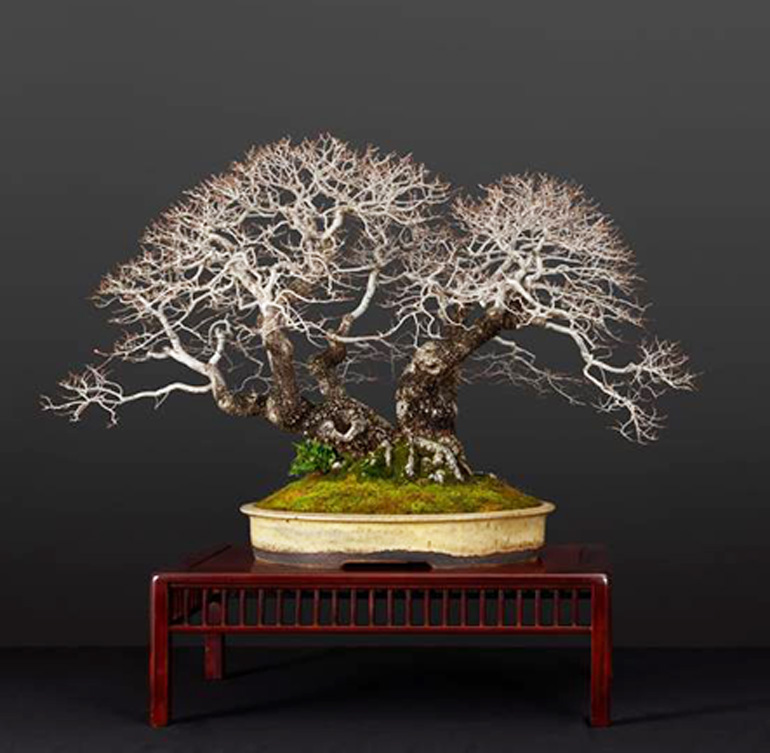 Twin trunk Field elm (Ulmus minor). The original caption is below with the uncropped original photo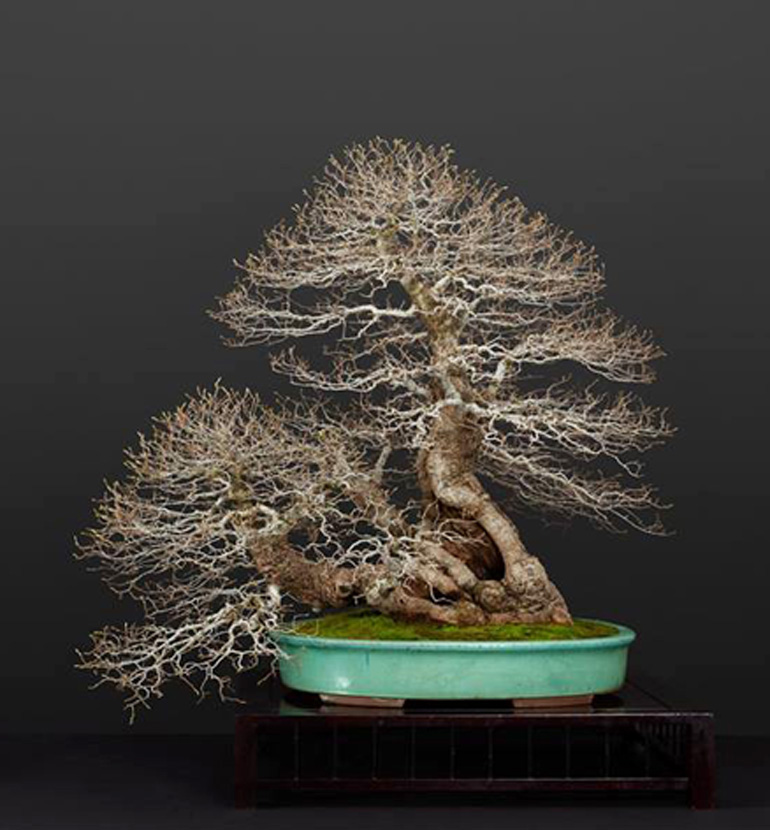
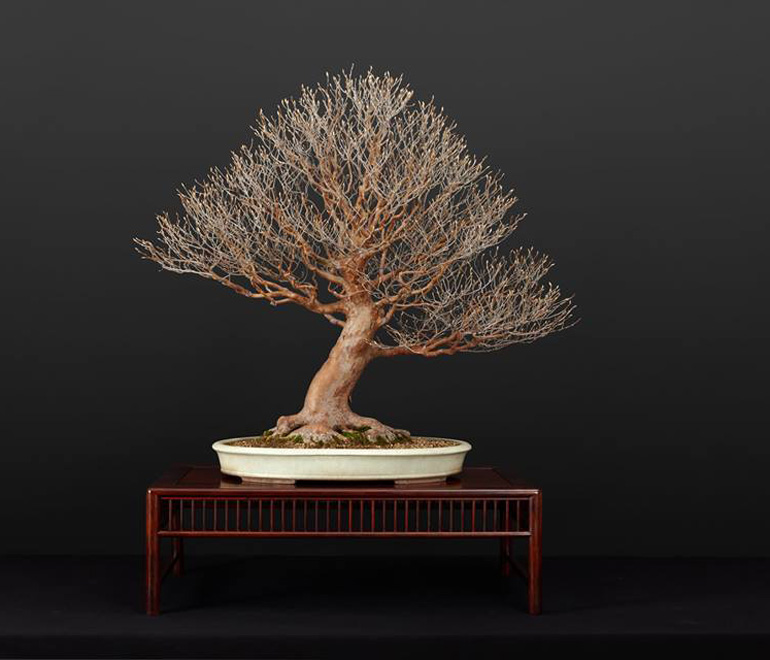
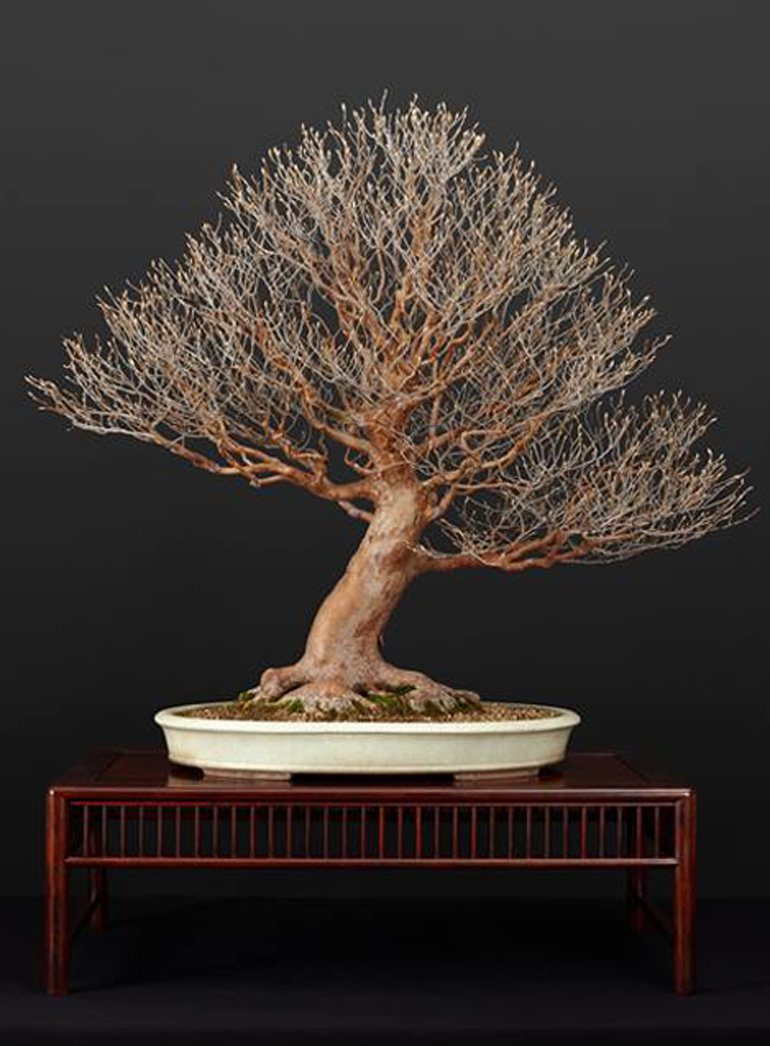
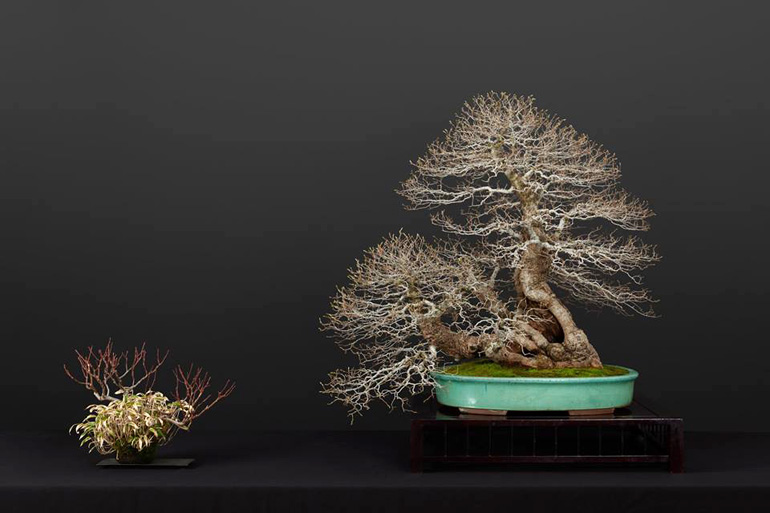 The original caption... "Celtis sinensis. Almez oriental by Luis Vallejo/LVEB. Luis Vallejo Bonsai Garden"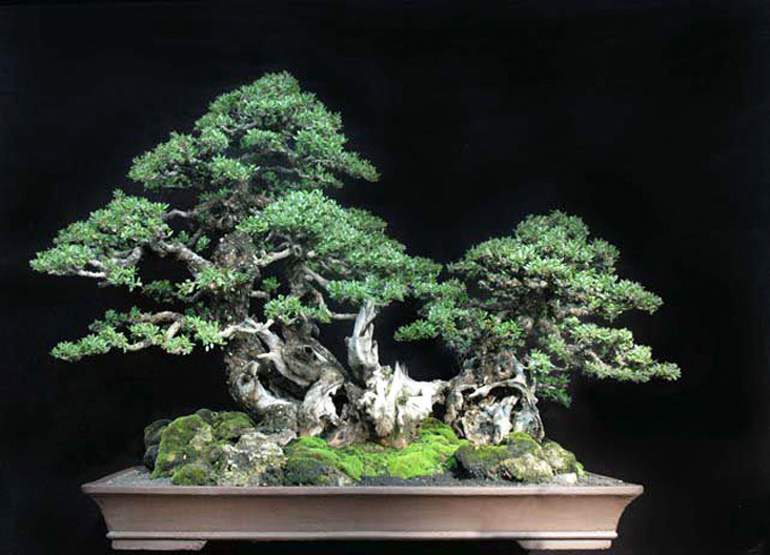
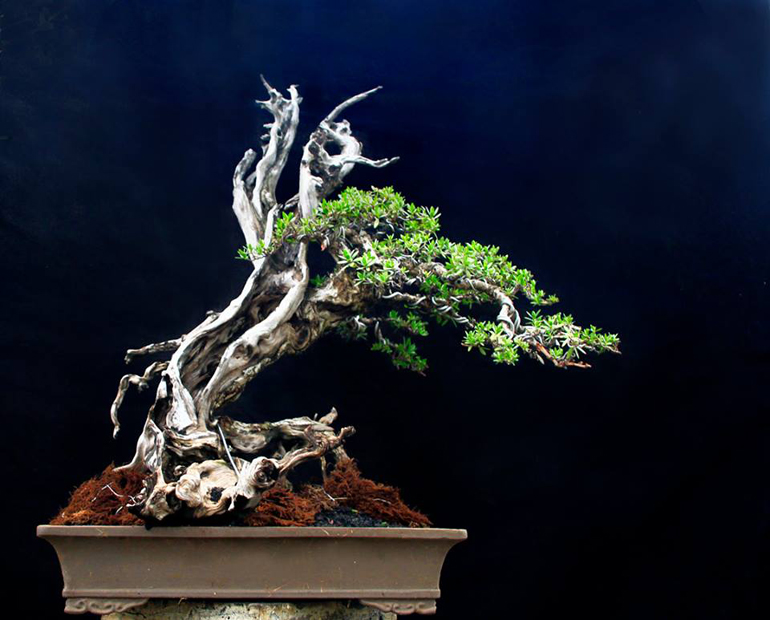
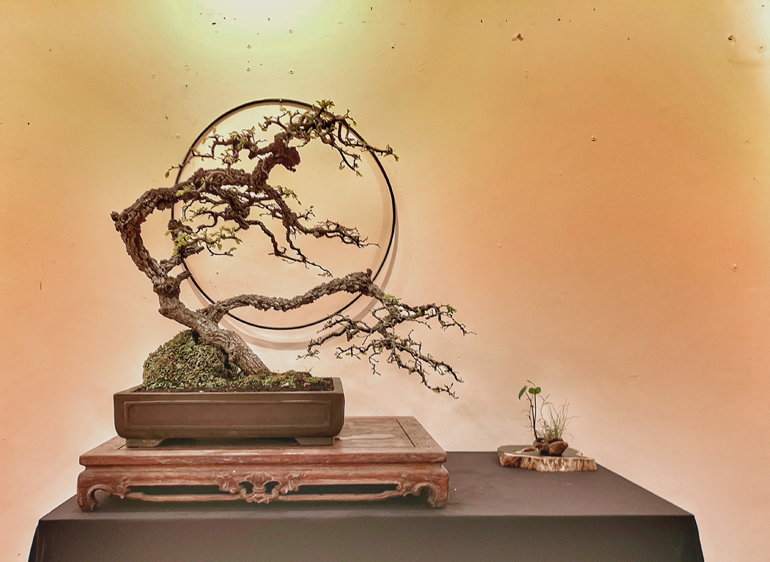
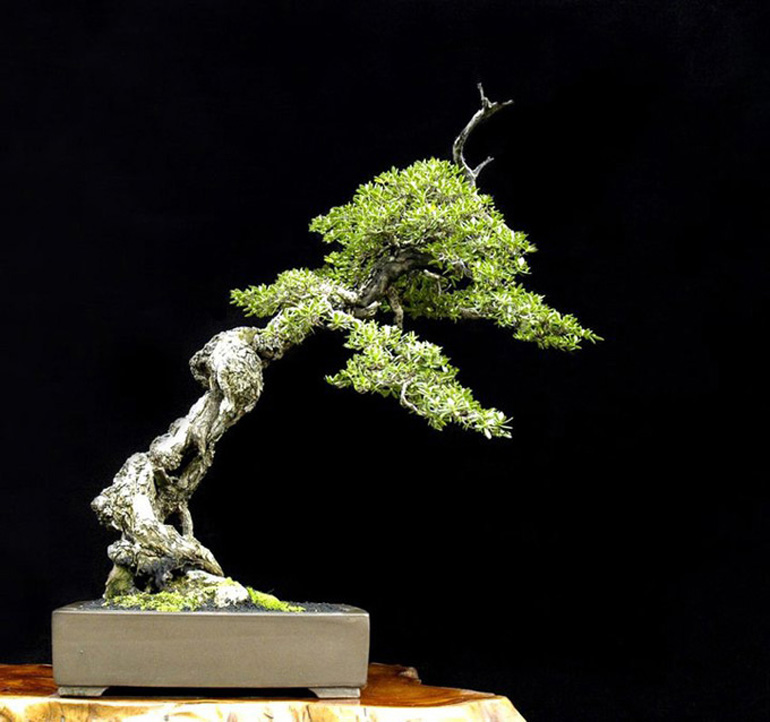 A simple tree with its gnarled time-twisted trunk, leans into the darkness