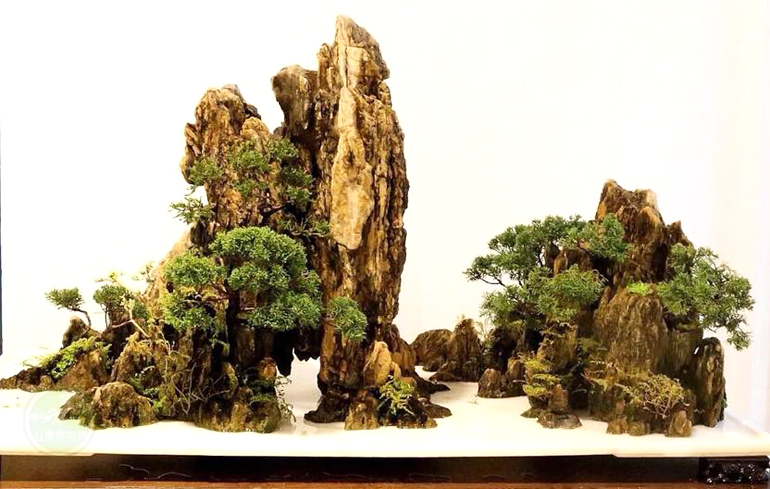
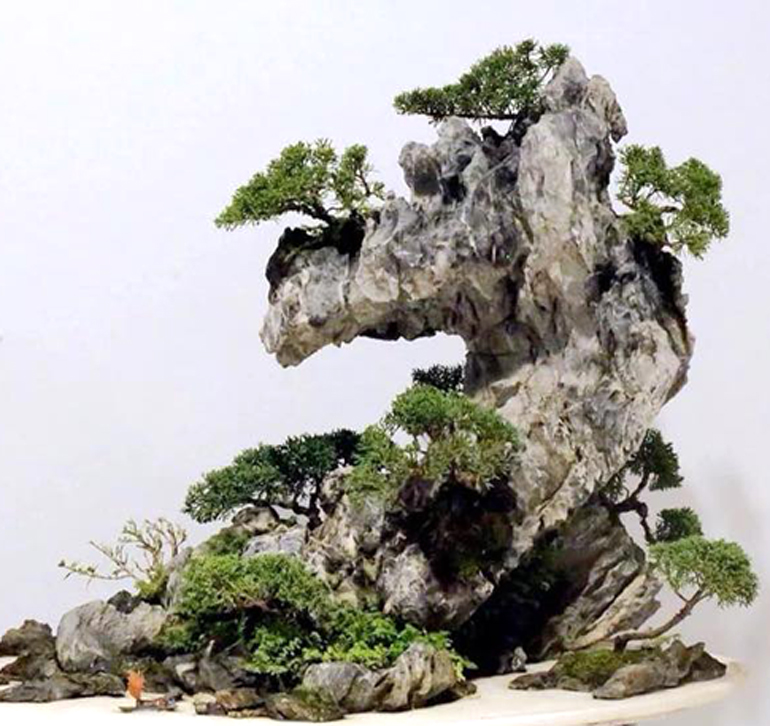
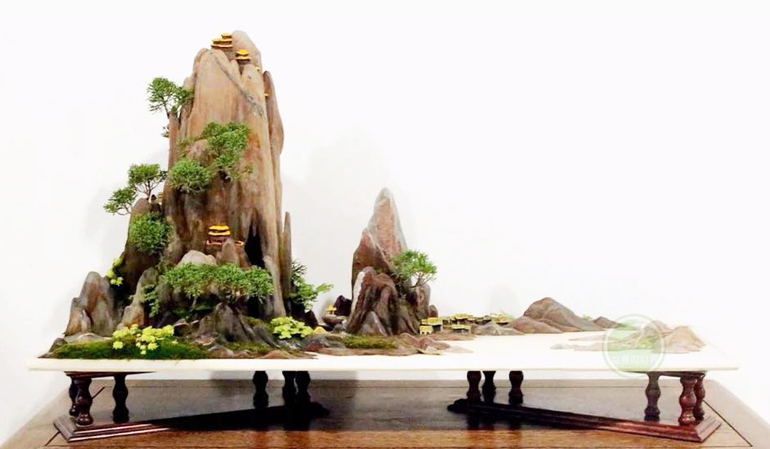
This Penjing landscape features exceptionally rugged terrain and no immediately visible sign of humans. Or are there one or two tiny almost indistinguishable specks of something that could be man made?
Continuing where we left off yesterday. For some reason I got a little fascinated with the man made elements; mostly small boats and buildings. I think maybe it’s the perspective they provide. Tiny beings in a vast wild world. Anyway, with or without signs of human activity, these rugged and realistic Penjing landscapes are impressive works of imagination and skill
All the photos are borrowed from Hong Kong Bonsai Pots. No artists or plant varieties are mentioned
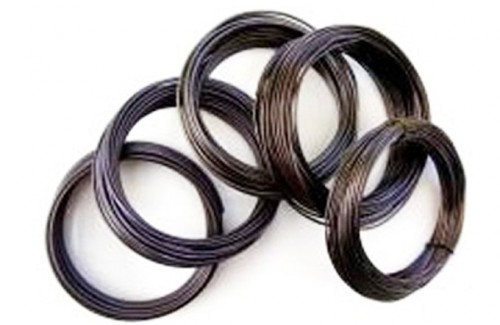
BONSAI AESTHETICS WIRE
is back in stock & YOU WON’T FIND BETTER PRICES
see below
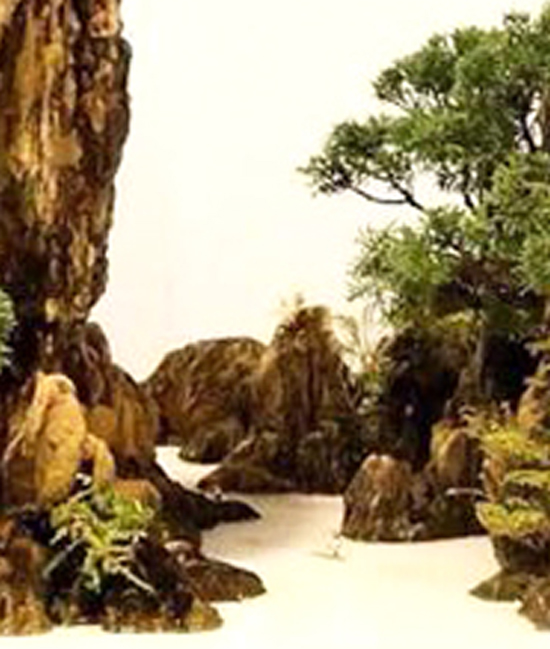
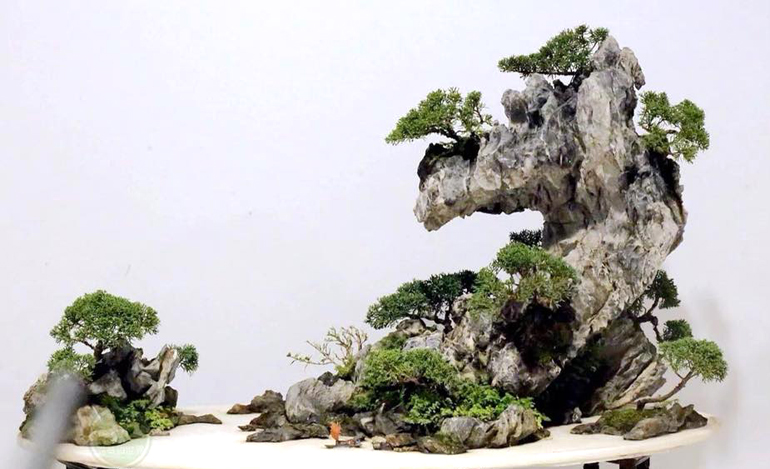
Closeup from the photo above. Is that a boat?
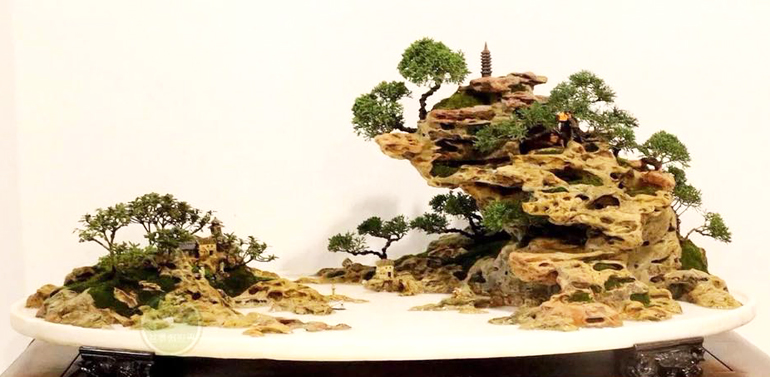
Unlike the one above, there are plenty of signs of human presence in this one.
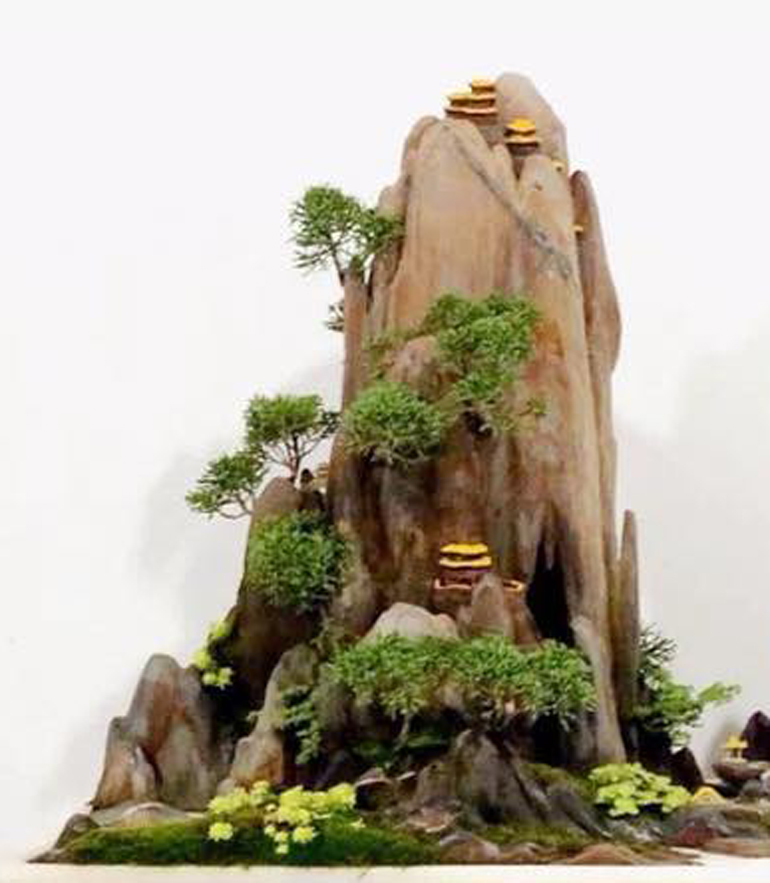
A closer look at the cave covered mountain from the photo above.
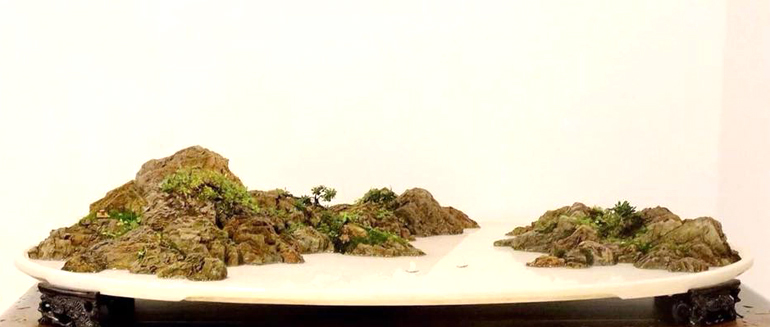
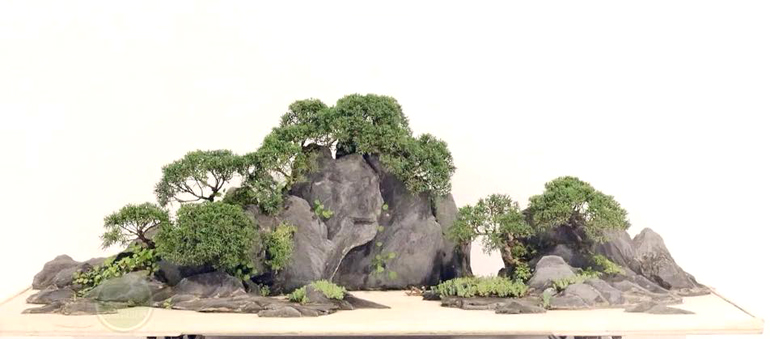
I like this one's understated beauty and simplicity, with almost no sign of humans
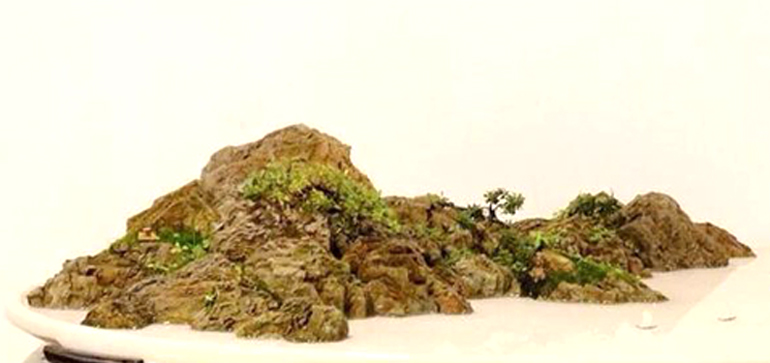
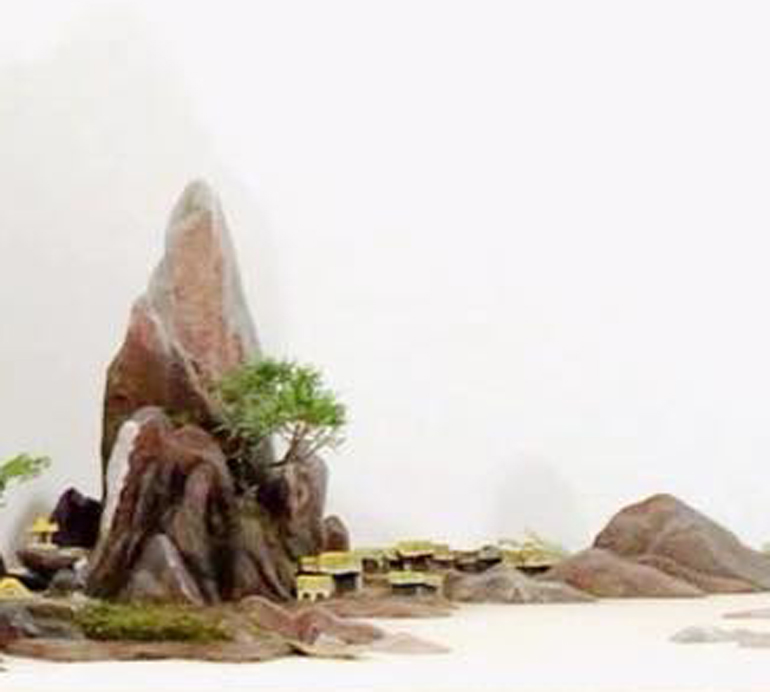
A closer look. You can see the building in the whole landscape above, but can you make out the boats?
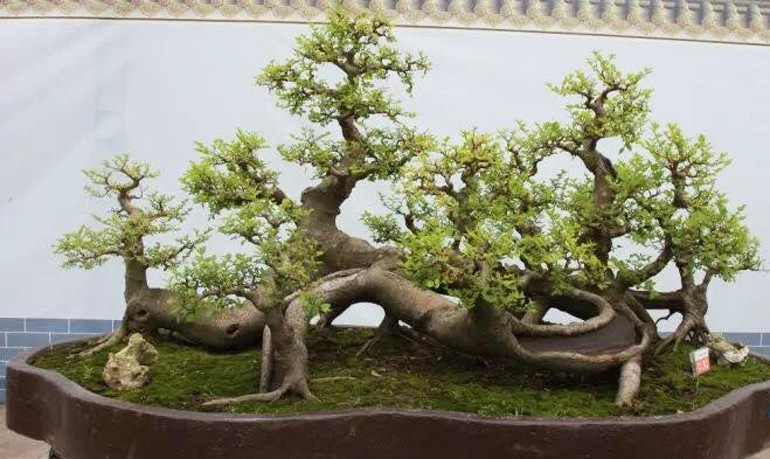
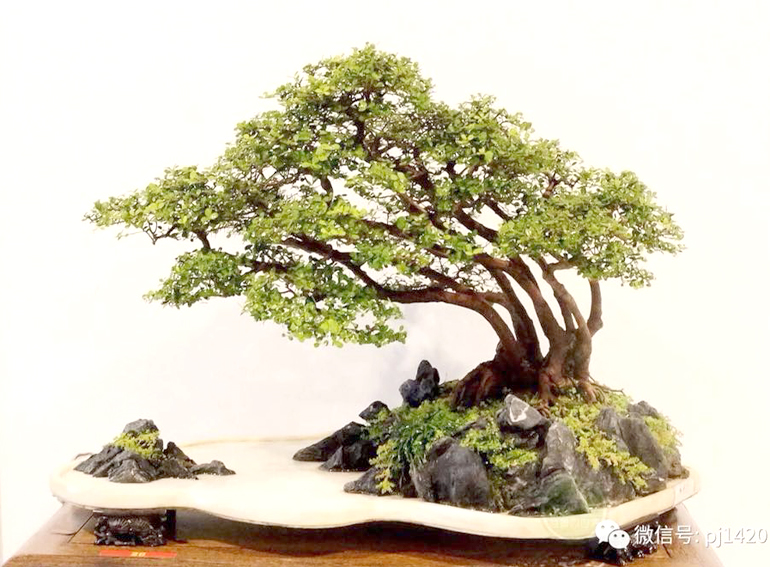
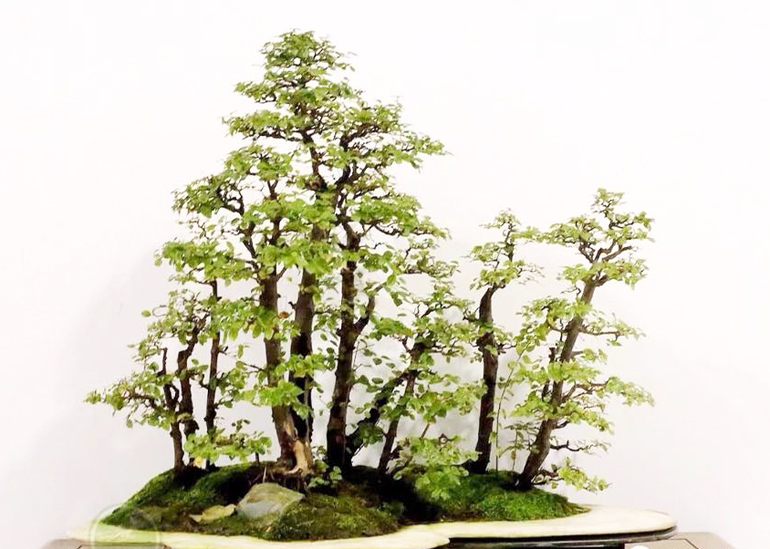
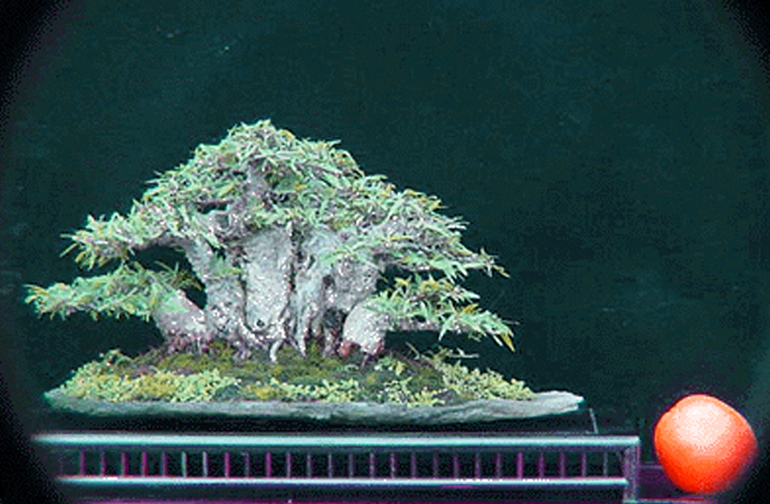
A little change of pace. There's no mention of plant variety, but the bark and what we can make out of the leaves looks like a certain type of Chinese elm.
BONSAI AESTHETICS WIRE IS BACK
better not wait
lately WE’VE BEEN sellING out of MOST SIZES
WITH every shipment
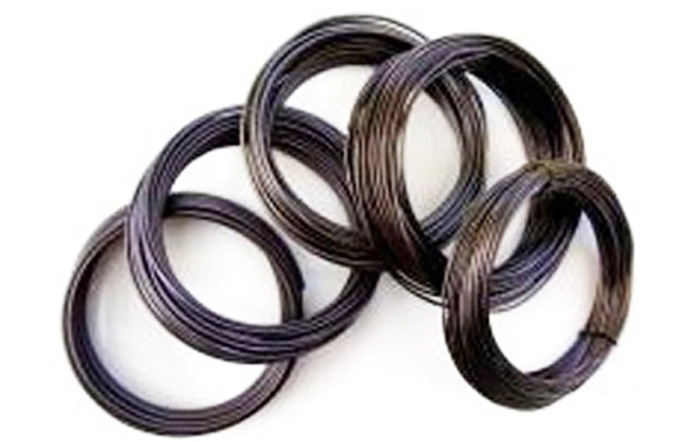
KILO ROLLS 17.95
ONLY 15.95 EACH FOR 3 OR MORE
500 GRAM ROLLS 9.95
ONLY 8.95 EACH FOR 3 OR MORE
100 GRAM ROLLS 3.95
ONLY 2.95 EACH FOR 10 ROLLS OR MORE
–
FREE Shipping on Continental U.S. Orders 75.00+
(only if you choose Free Shipping when you checck out)
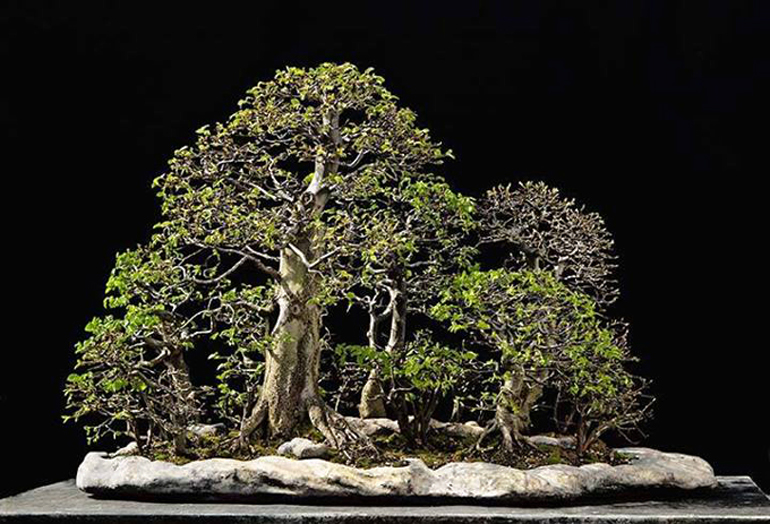
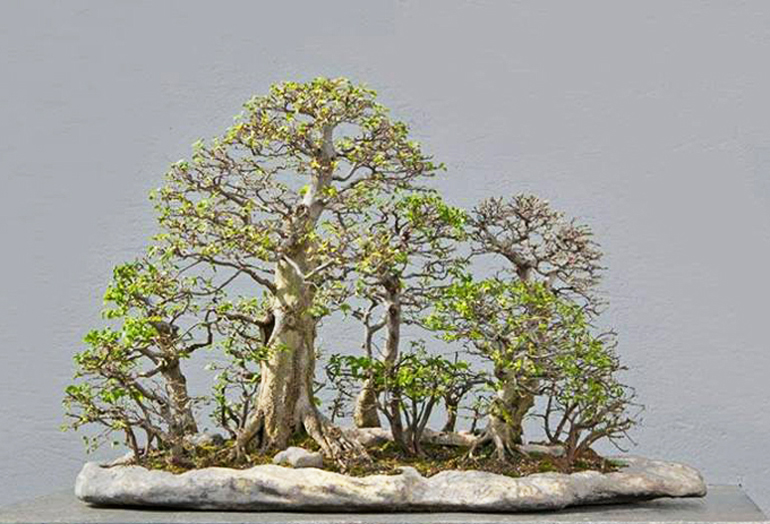
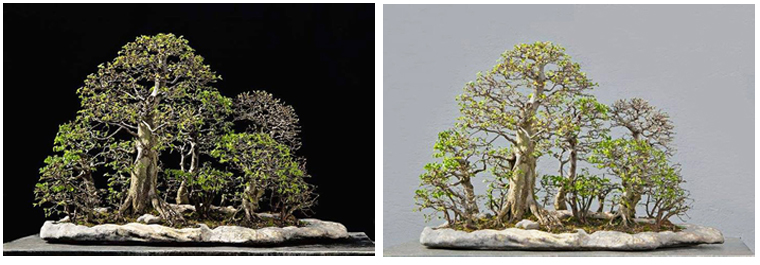
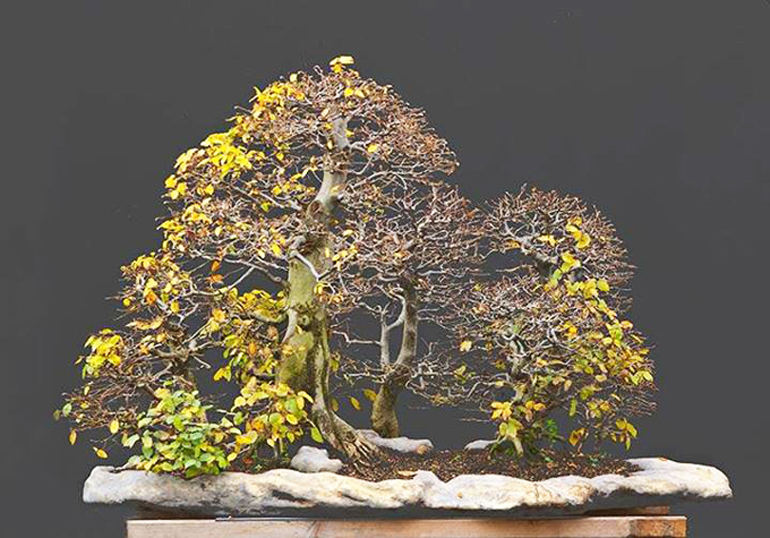
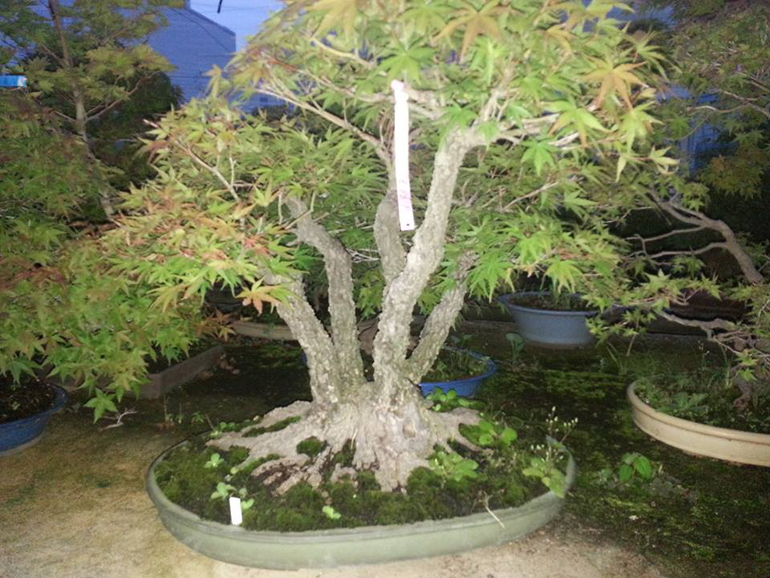
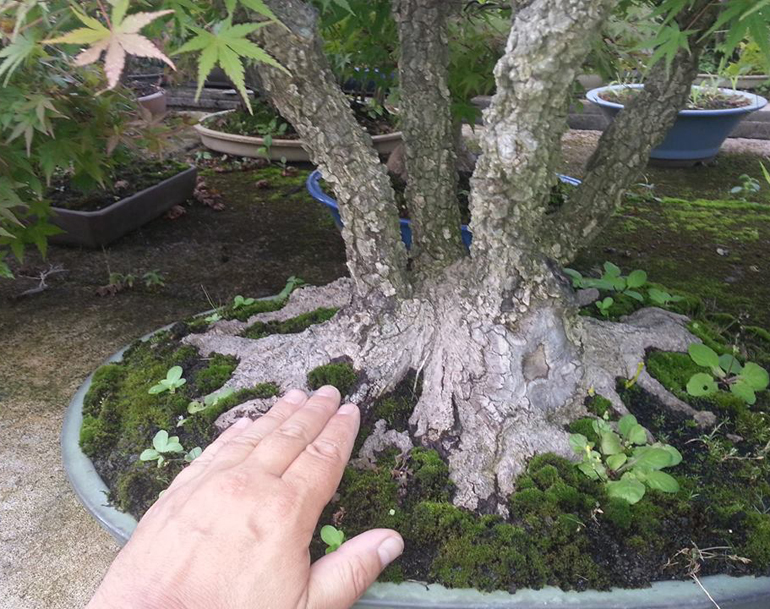
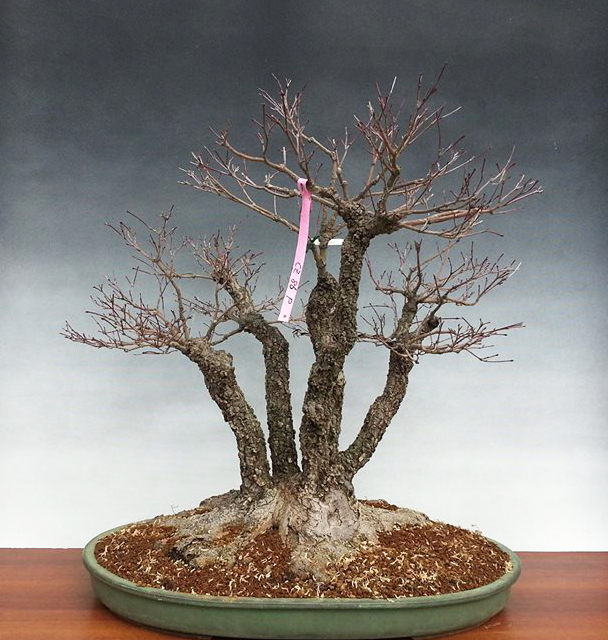
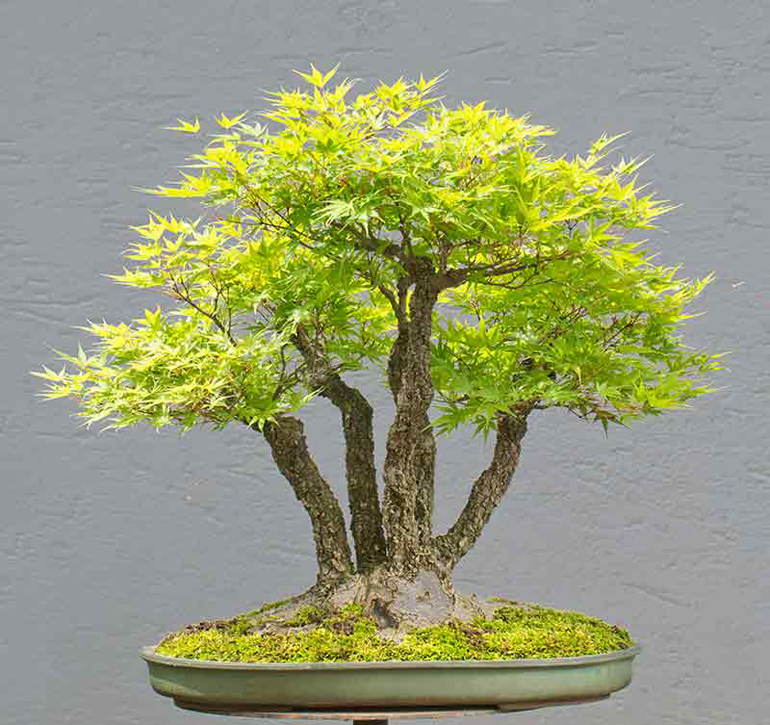
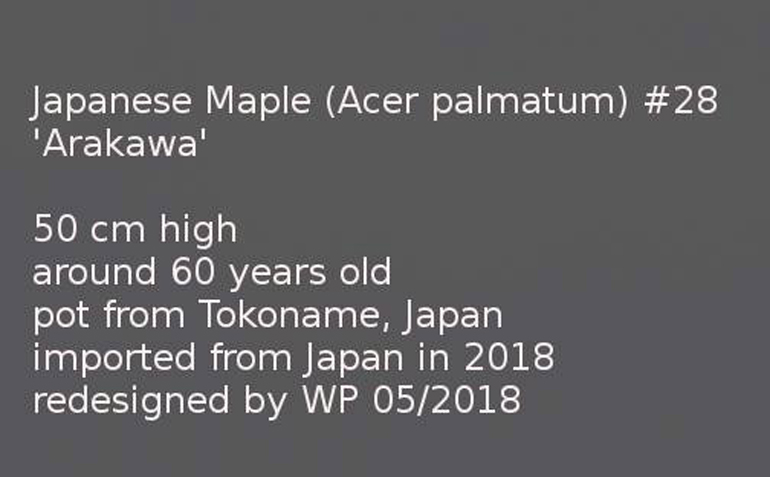
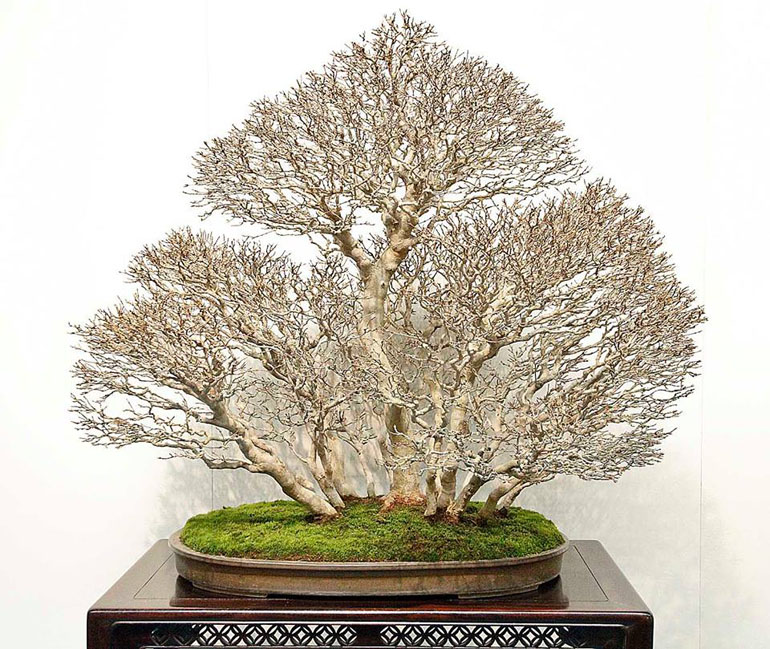 We found this extraordinary clump style Japanese maple on Bonsai Nakayoshi (sorry the link is no longer active). You can imagine that all the smaller trunks started as suckers on the roots of the main tree (you could also imagine that they started from seeds dropped by the main tree; in which case each seed would have its own roots, so that wouldn't qualify as a clump style bonsai).
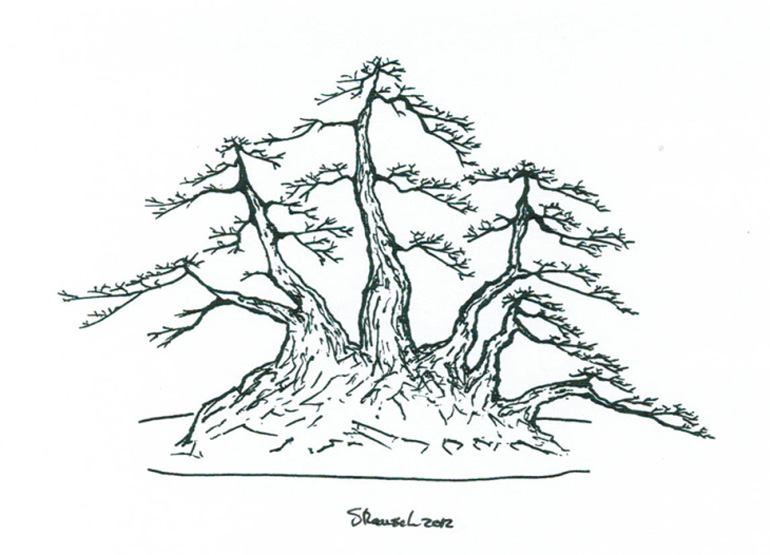 This illustration is borrowed from the Kabudachi, Kabubuki article in
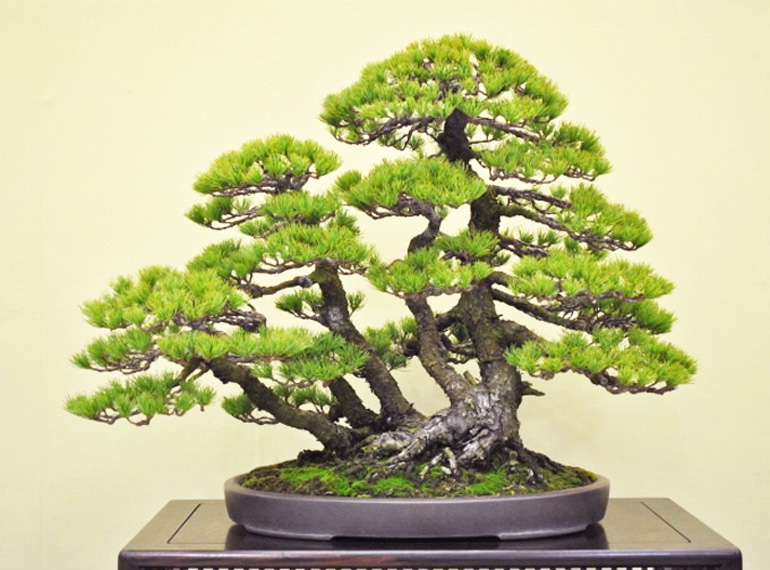
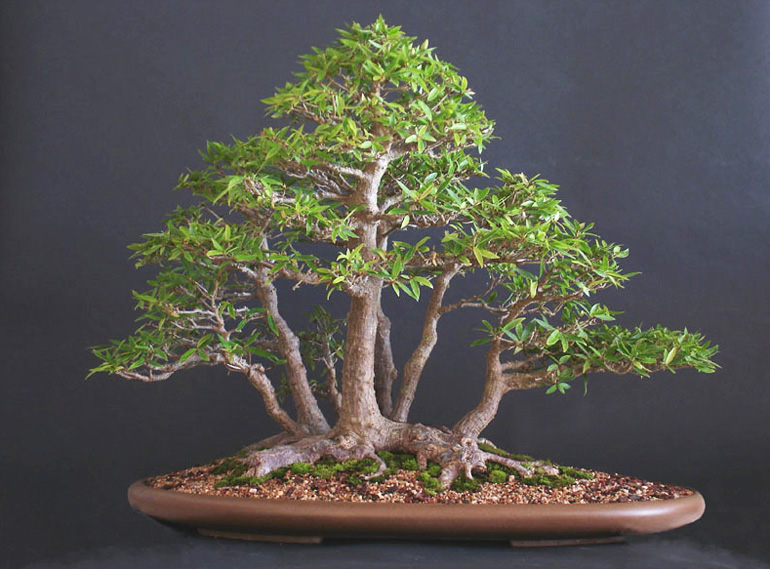
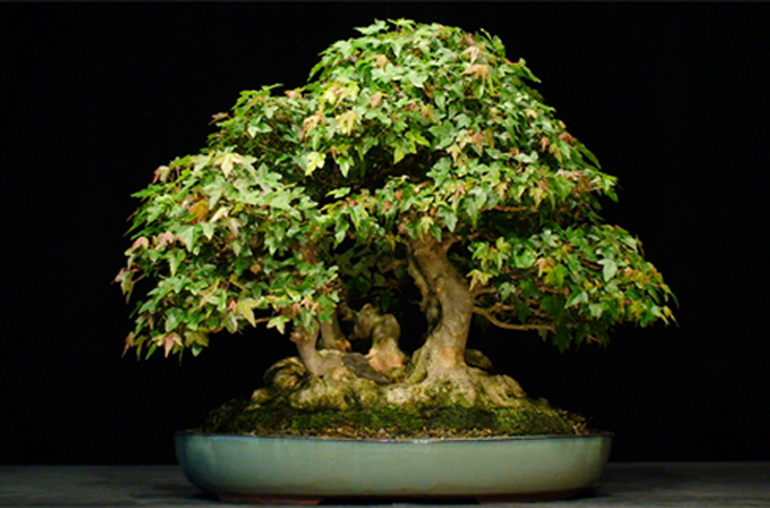
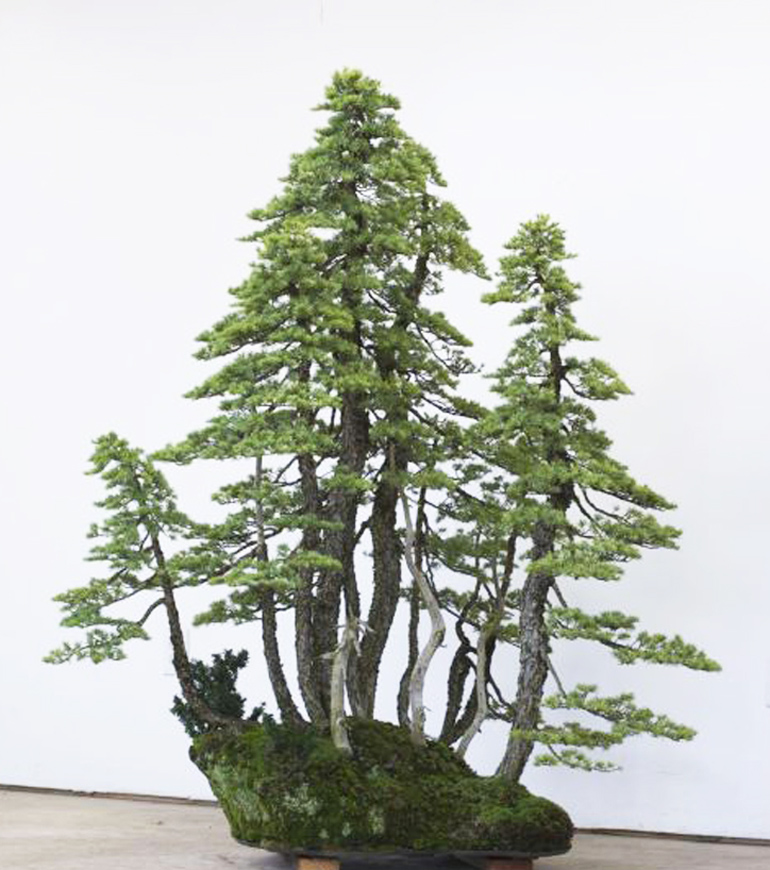 Last but not least. Michael Hagedorn’s now famous and freshly touched up Mountain Hemlock clump style bonsai (I can't say for sure that all the trunks share the the same roots, but my best guess is they do - you'll have to ask Michael to find out for sure). The photo is from
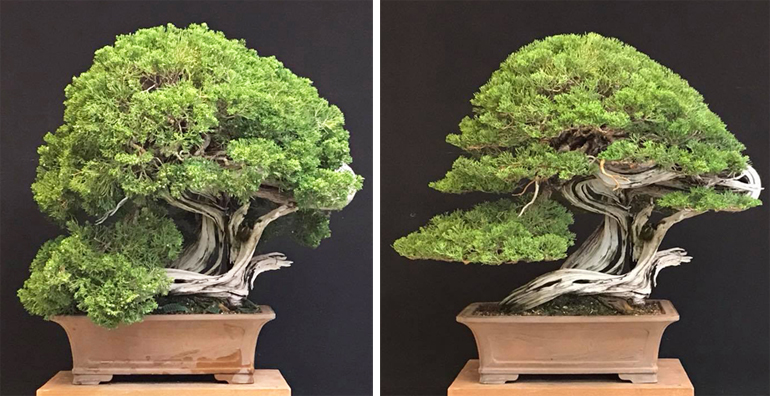
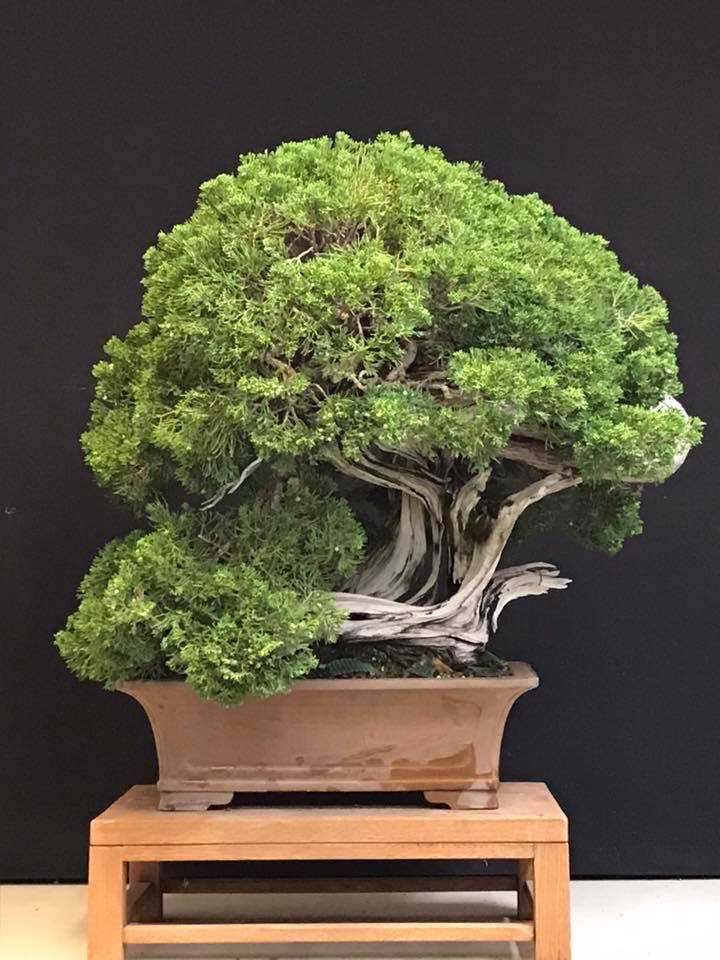
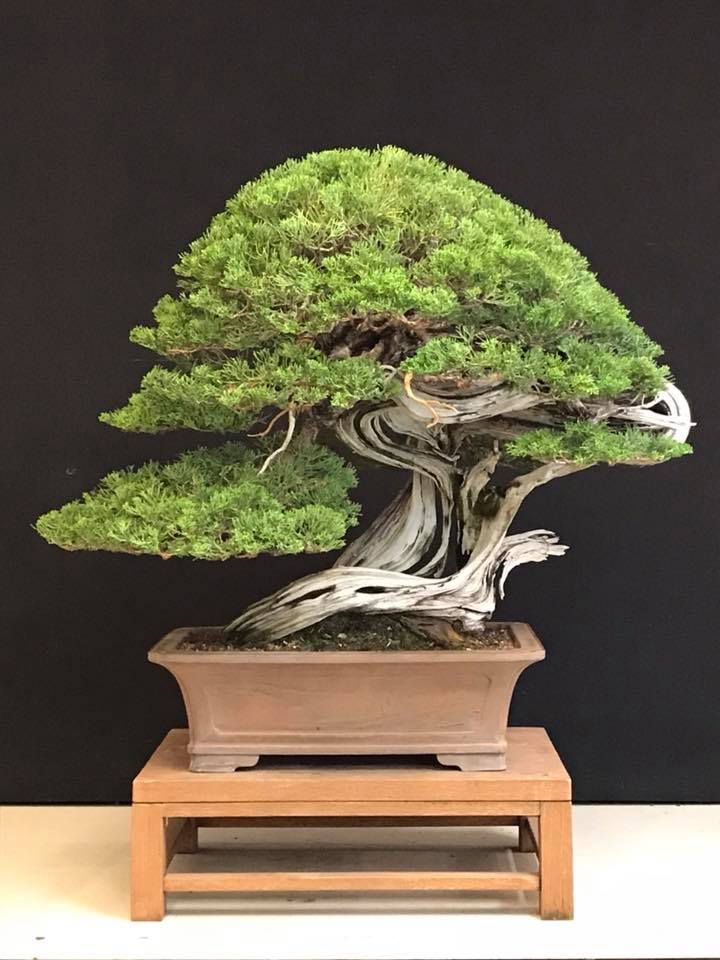
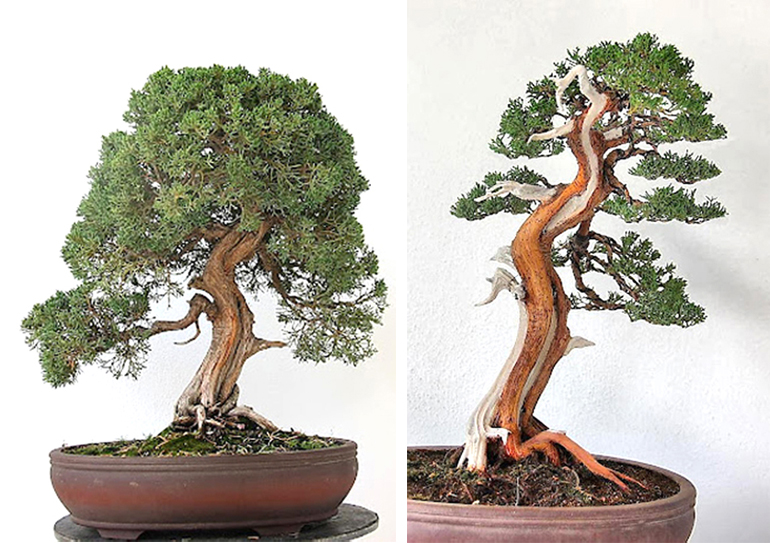 Before & after (antes y depues) Shimpaku juniper by Salvador de los Reyes.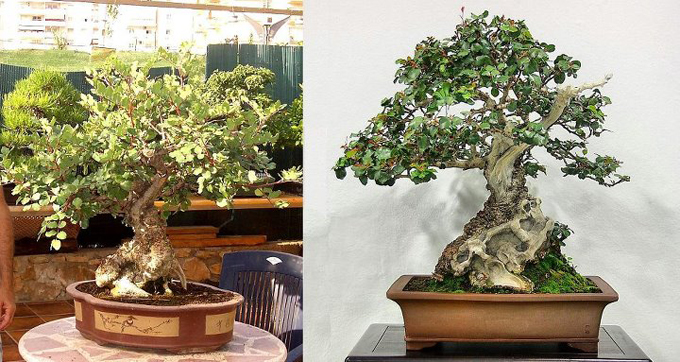
 Fry your bonsai it can, without cooking oil…