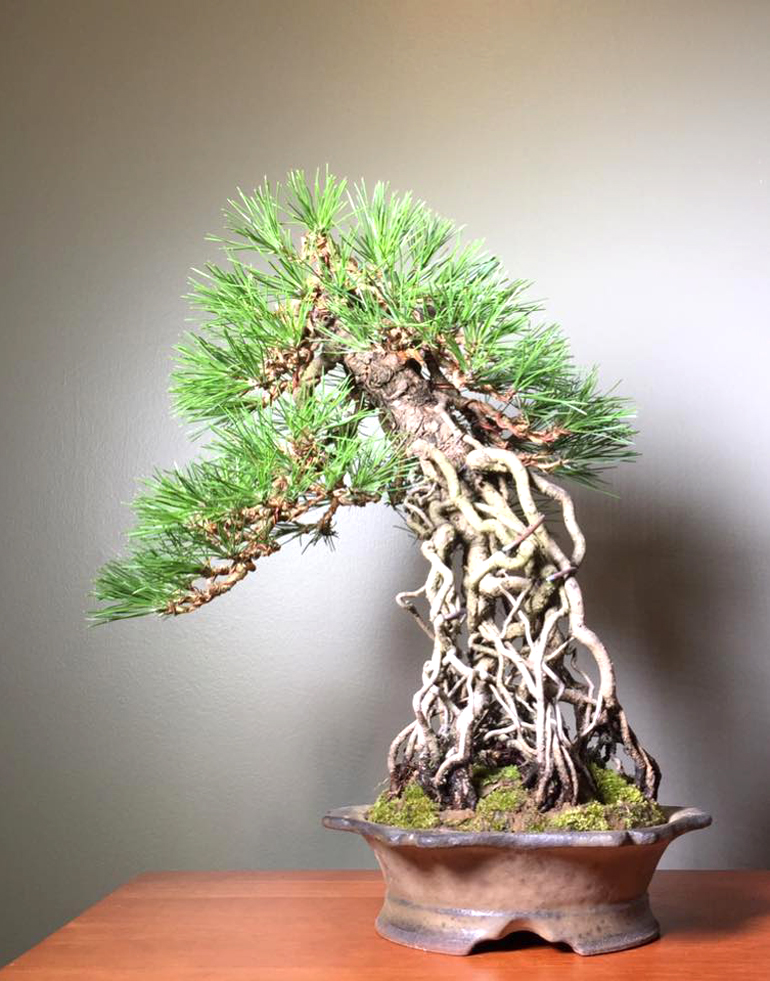
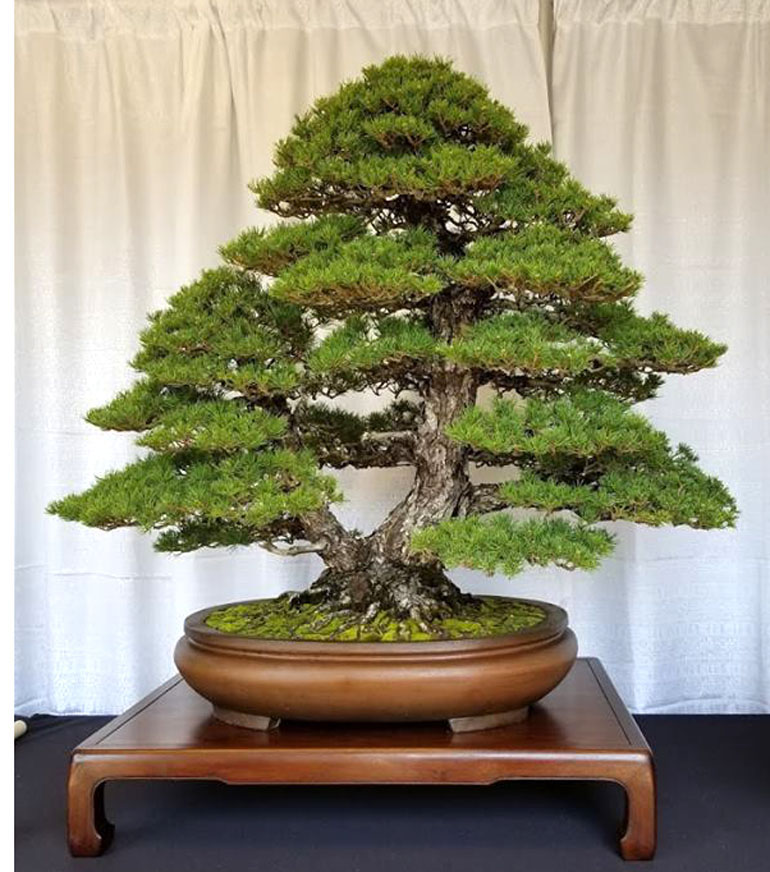
"This exposed root Japanese black pine is a blend of Japanese sensibility and American craftsmanship.... Obviously it's a Japanese species, and it's hard to argue that several of the styling cues are based on Japanese bonsai. However, this tree is 100% made in America. The tree itself, started from seed and grown as bonsai material in California. The pot, hand made by American potter Dale Cochy, circa 2004. All brought together, styled and finished by me, an American bonsai artists trained in Japan. An exciting collision of several worlds and a respectful nod to all things bonsai from US and Japan."
The tree and the caption above belong to Danny Coffey. Danny is one of the many young Western bonsai artists who spent formative years studying bonsai in Japan. His teacher was and is Junichiro Tanaka, the fourth-generation owner of Aichien Bonsai Nursery. Danny has also served as an an intern at the National Bonsai & Penjing Museum under the guidance of Jack Sustic, former museum curator.
For more on Danny you can visit him on facebook and on his Tree the People blog. You might also take a look at a Bark post on Danny from last January.
Continued below…
Four New Sales
30% to 40% off bonsai aesthetics tools
30% to 40% off off Roshi Bonsai Tools
25% off Bonsai pots
25% off bonsai soil
–
Danny Coffey with 47 Rhonin. Here's his caption: "Recently the Pacific Bonsai Museum brought me out to Washington to do some bonsai work. This sub alpine fir forest was a really fun project. The bonsai was donated to the museum by Bob Kataoka. He originally built the composition in 1960 and named it 47 Ronin. Since then, it has died back to the 14 remaining trees seen in this photo. Still, I think 47 Ronin is a really cool name."
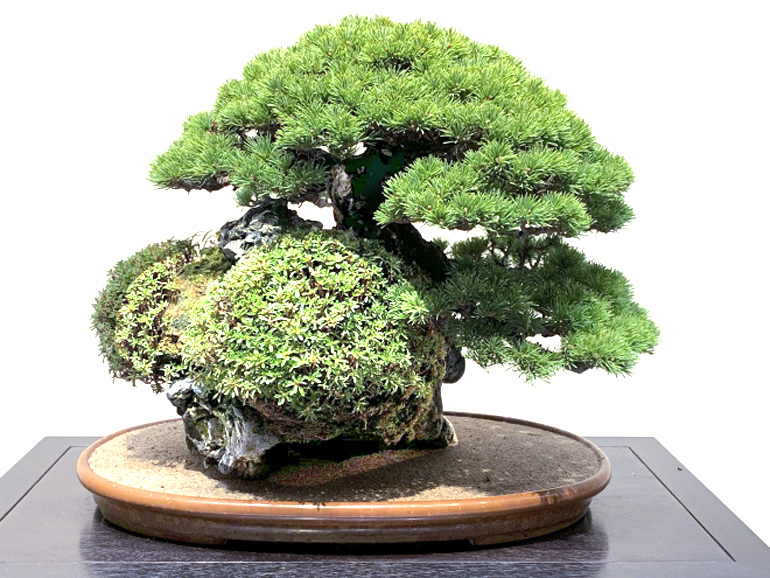
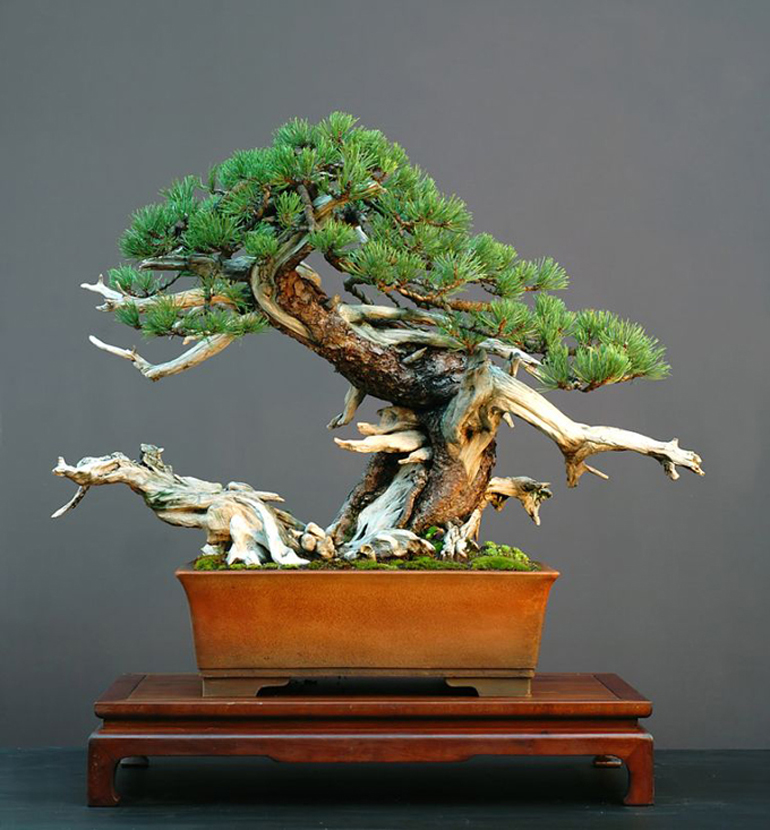
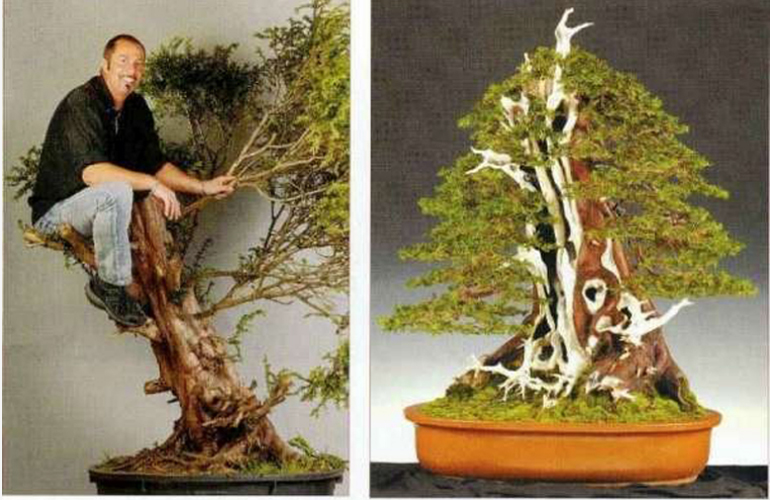
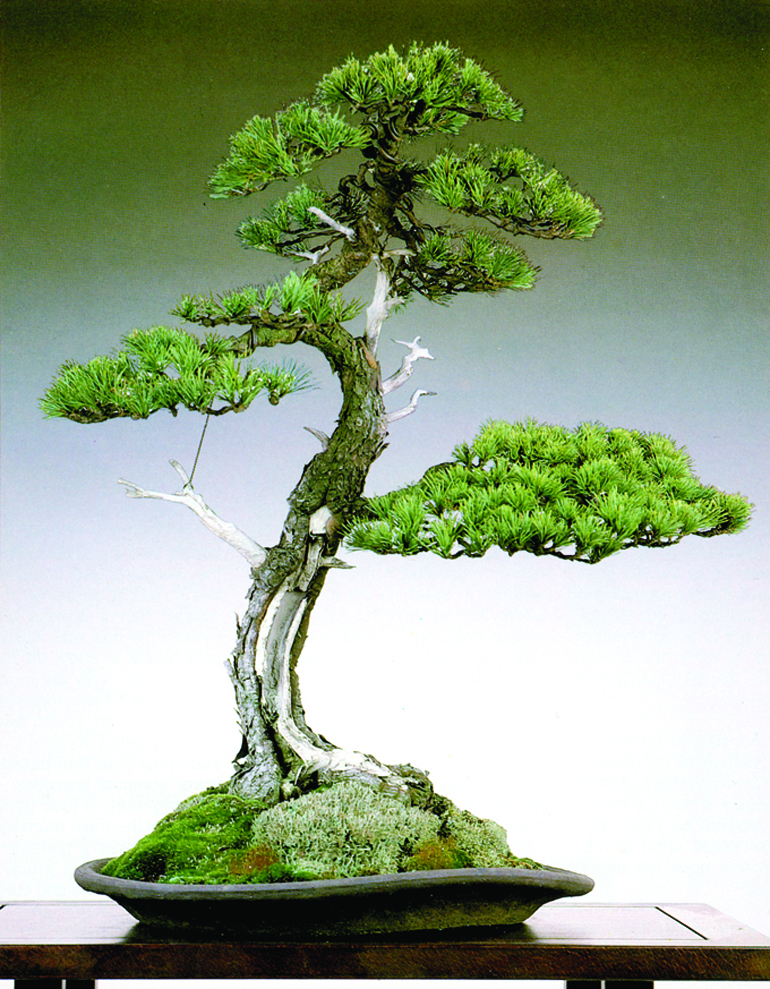 Would you remove the first branch? The treee is a Japanese white pine by Susumo Sudo. Even though it doesn't sport a heavy truck, there are several other features that lend an aged feeling; not the least of which are its rugged bark and natural looking deadwood (particularly the see-through shari). It's from our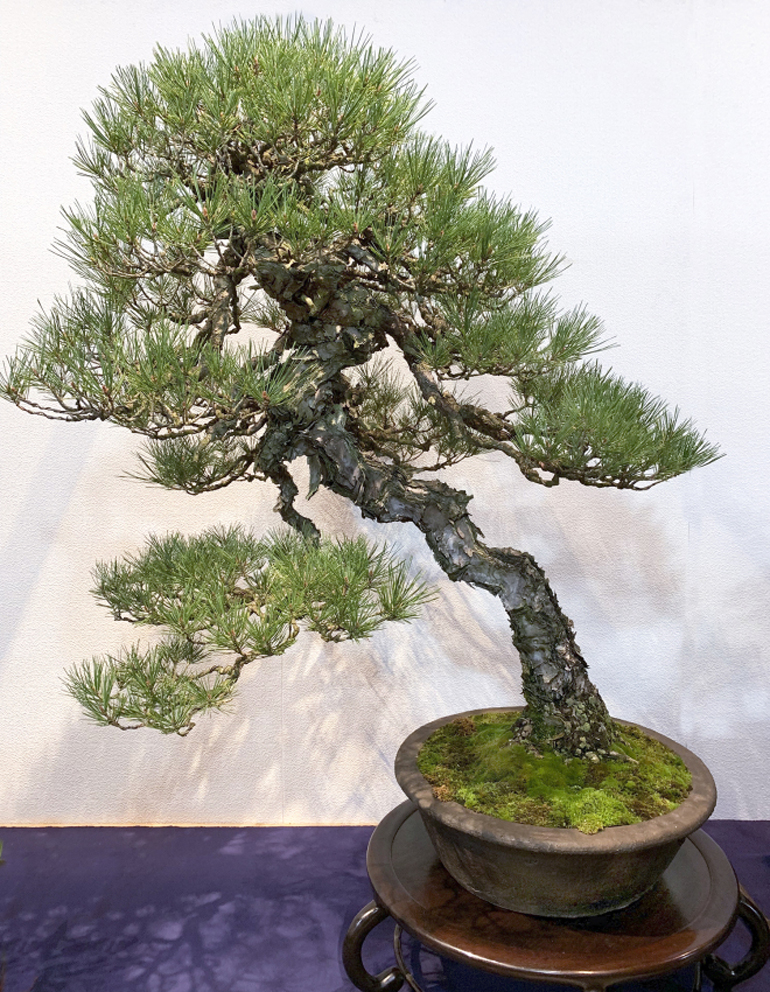
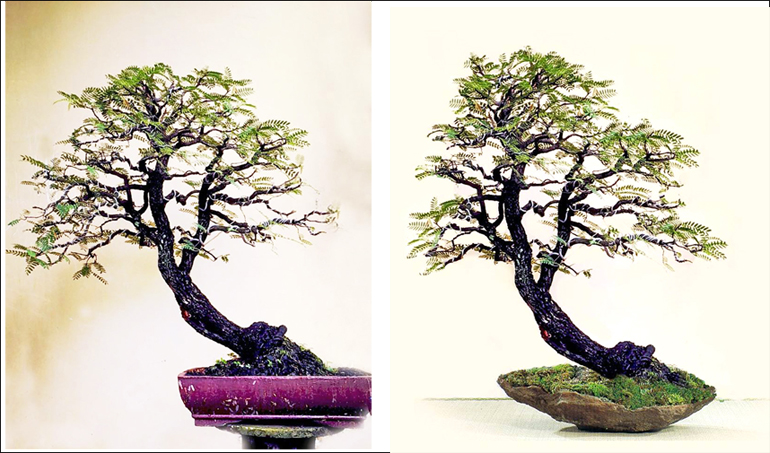
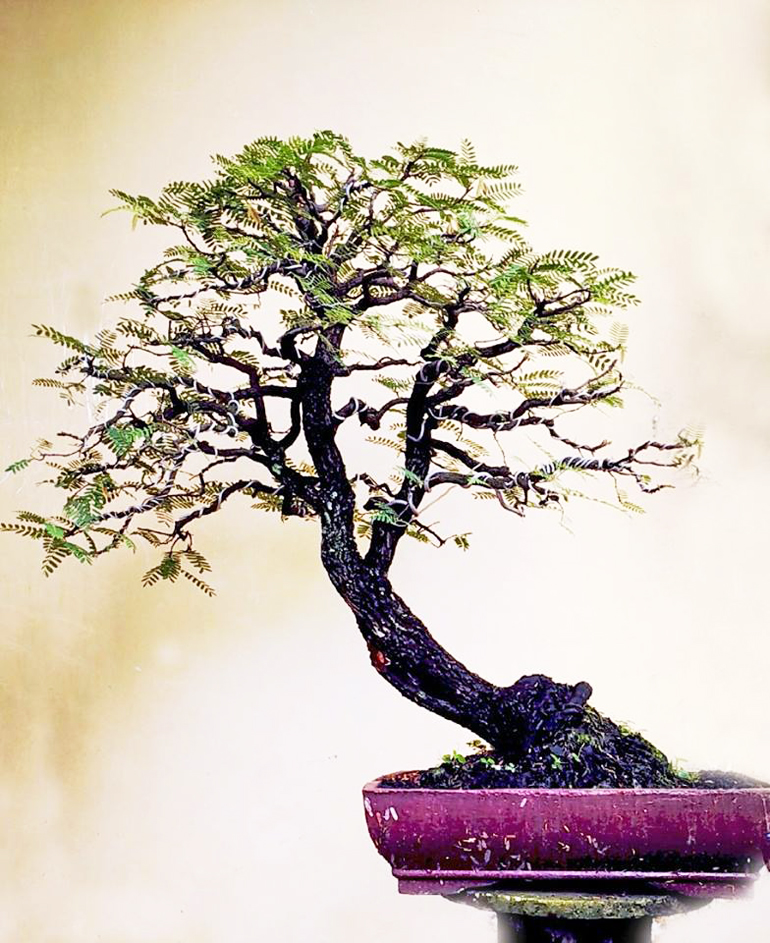
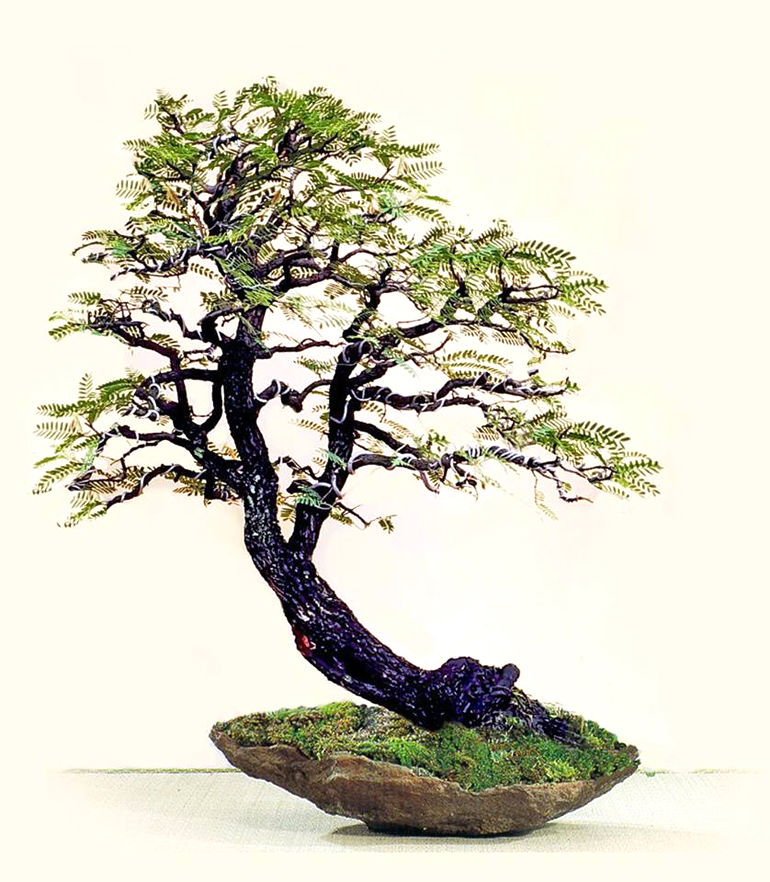
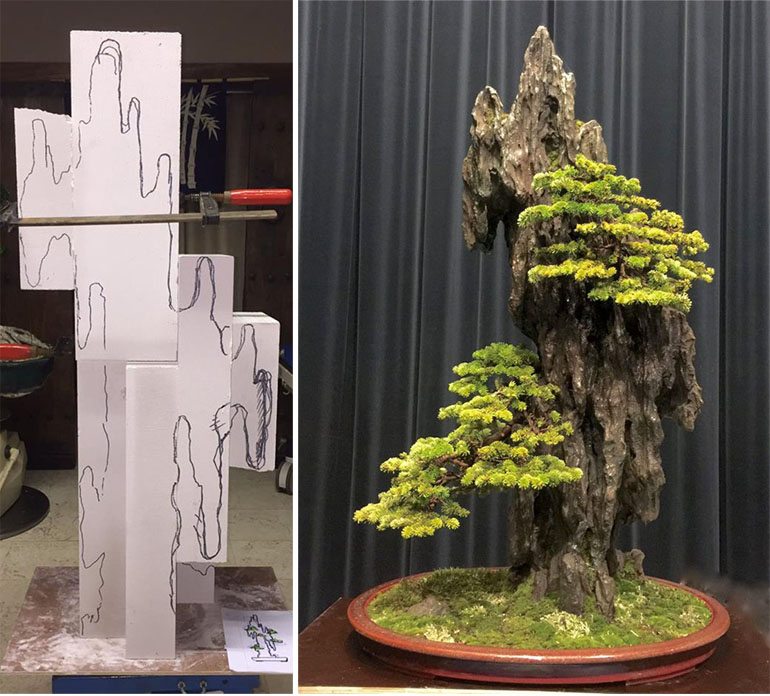 Here's a before and after photo of Marc's planting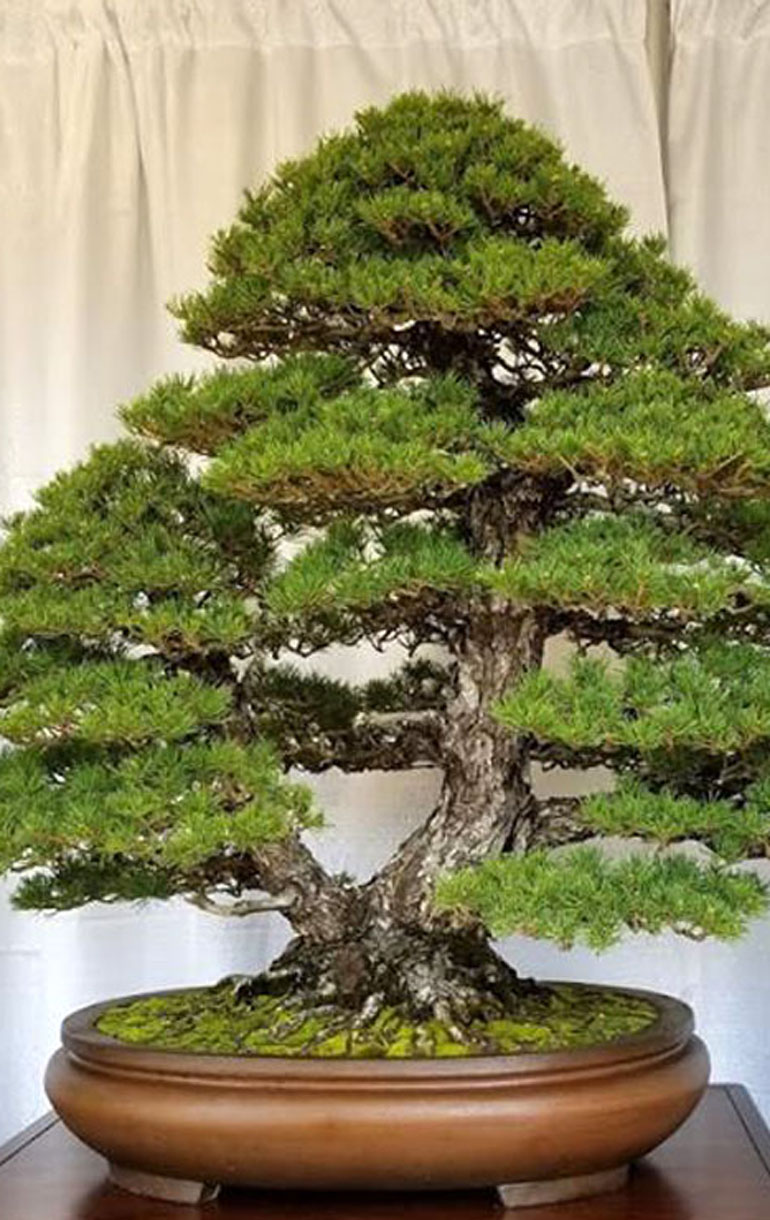
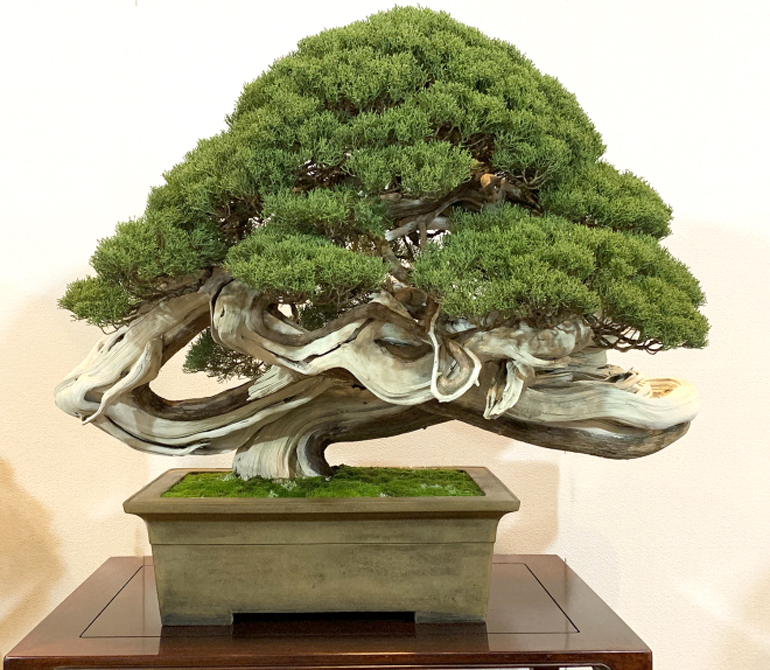
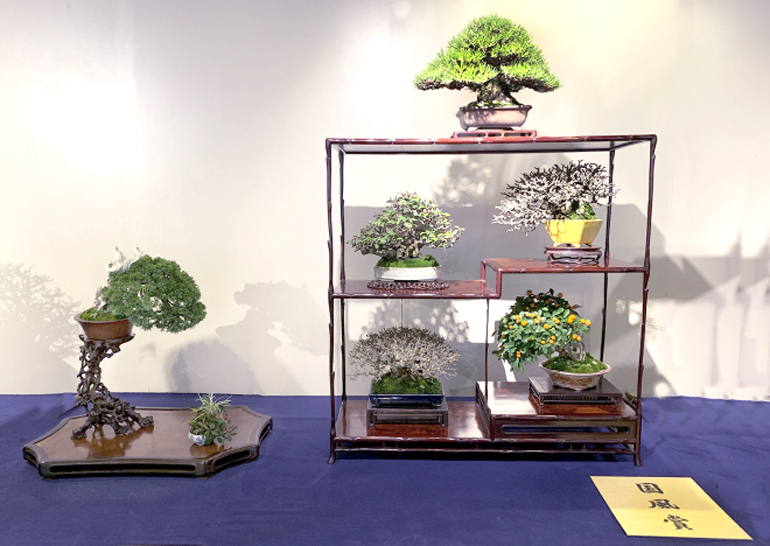
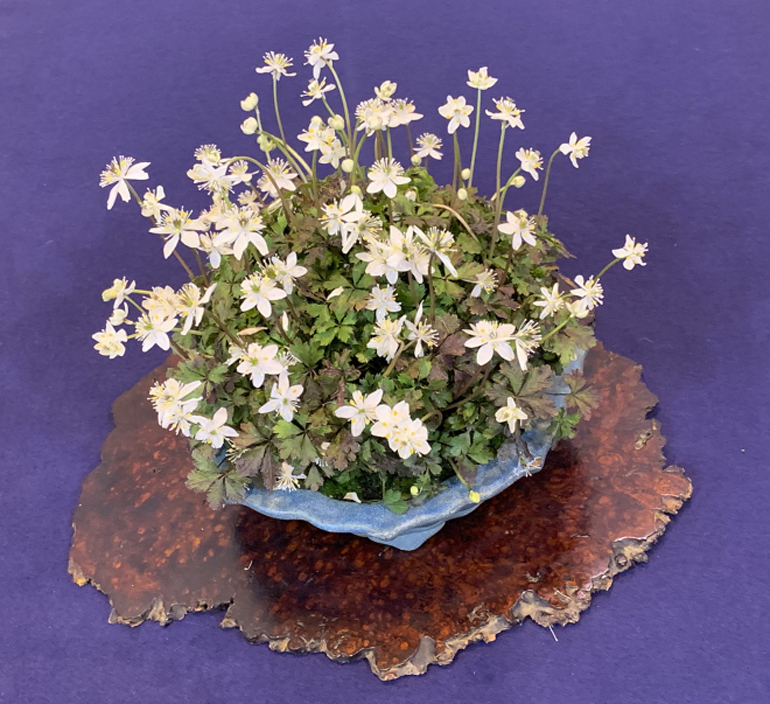
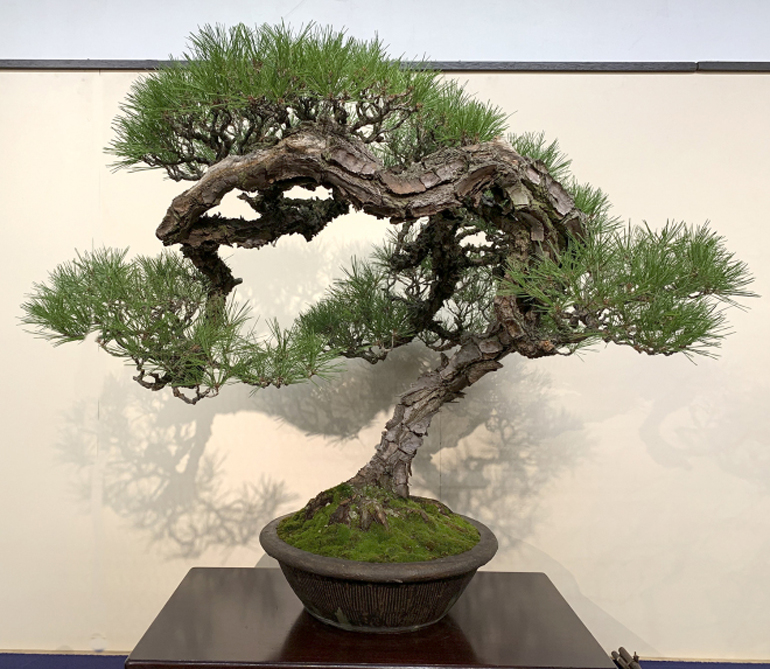
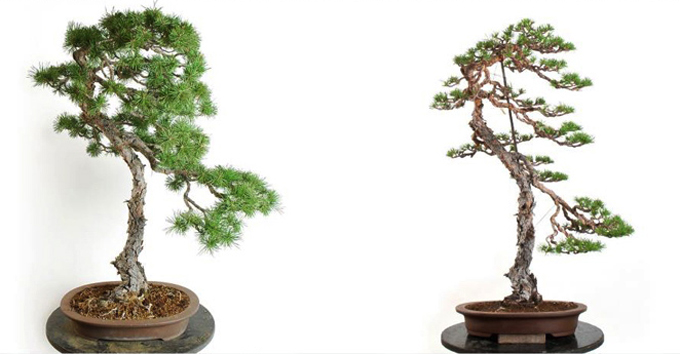
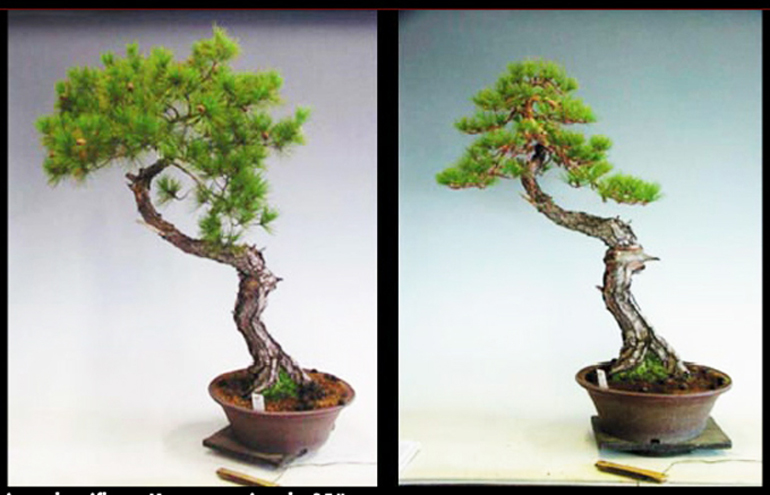 Here's a before and after of a Japanese red pine by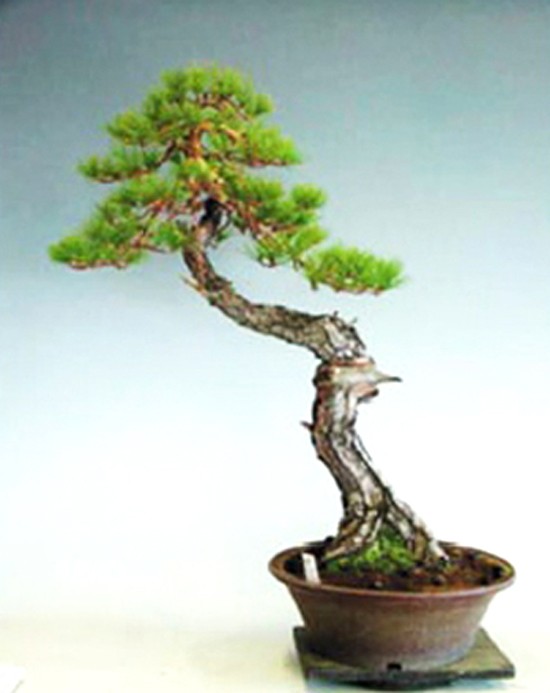
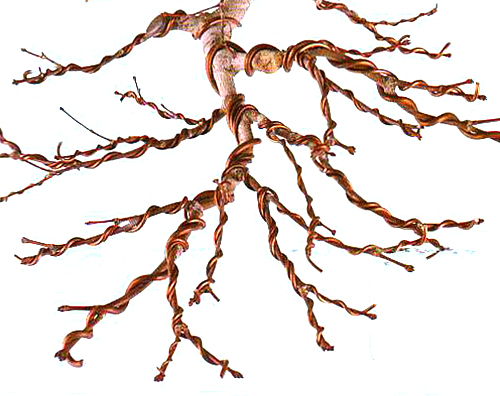
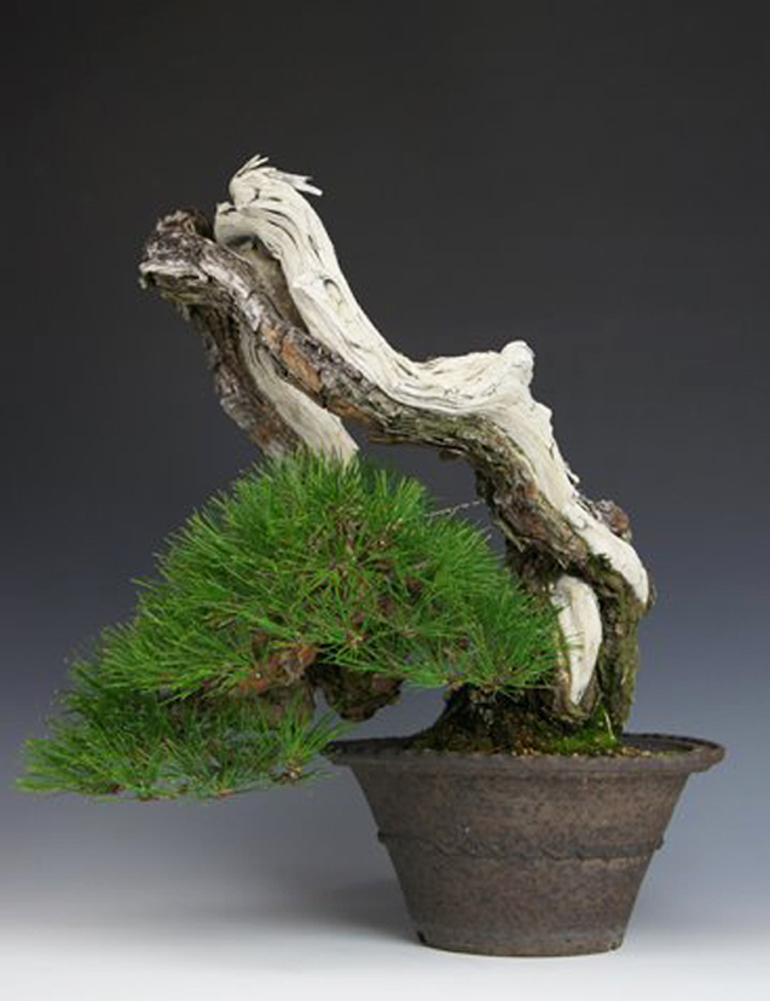
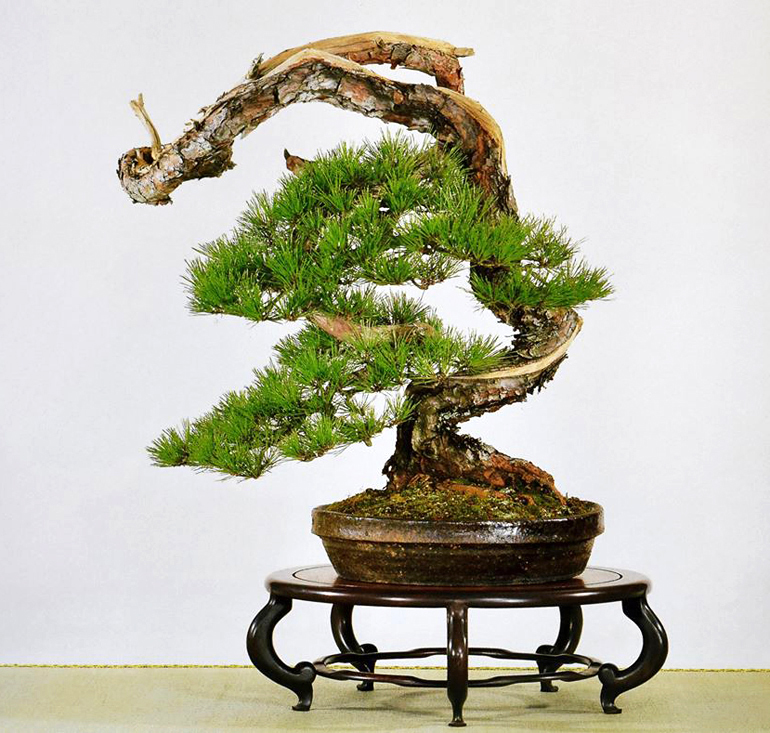
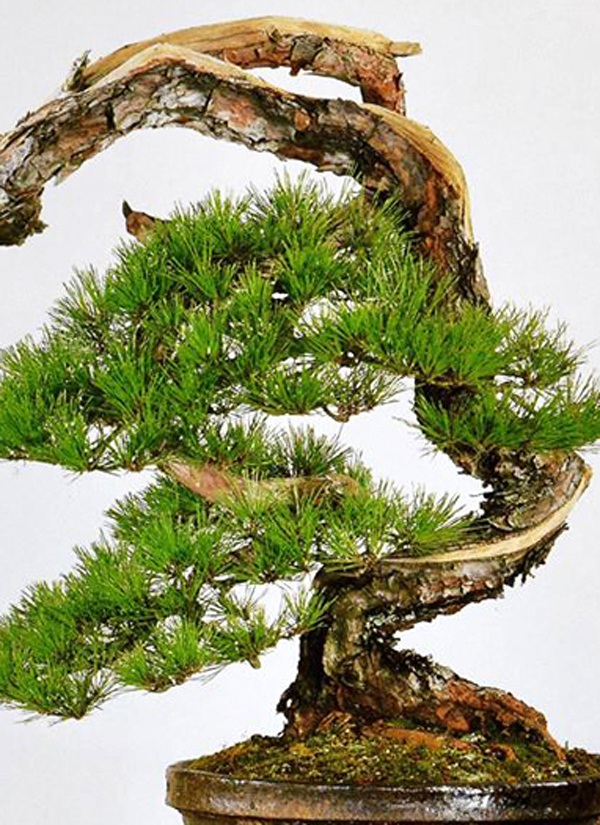
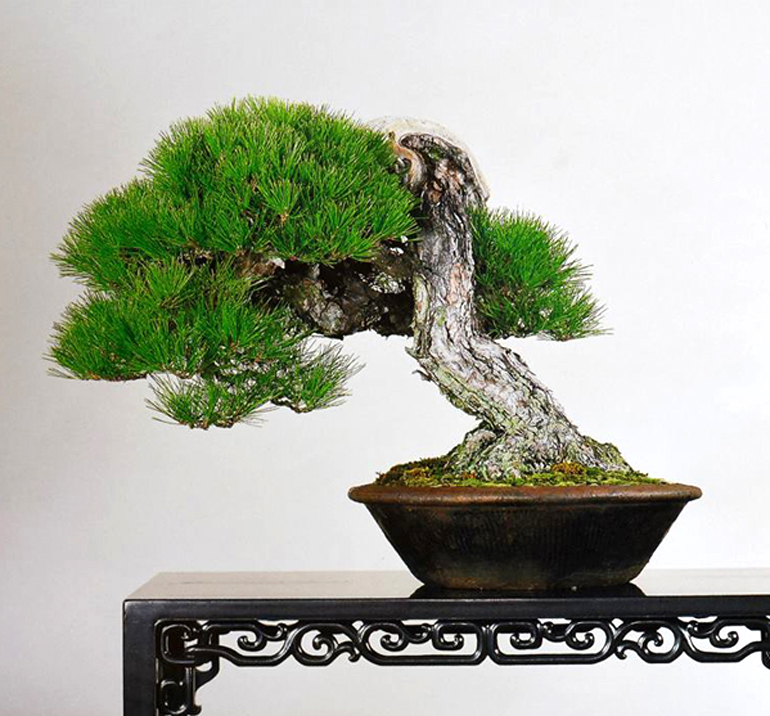
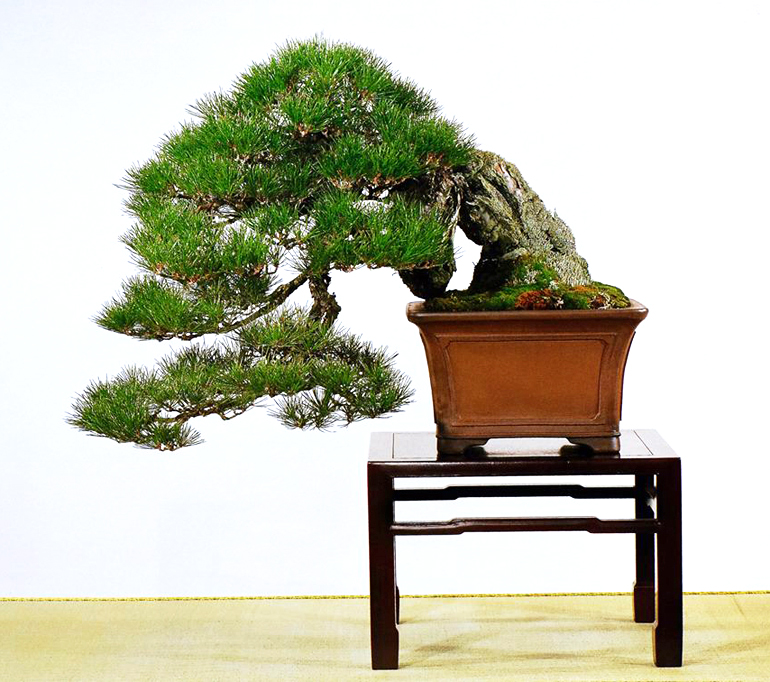
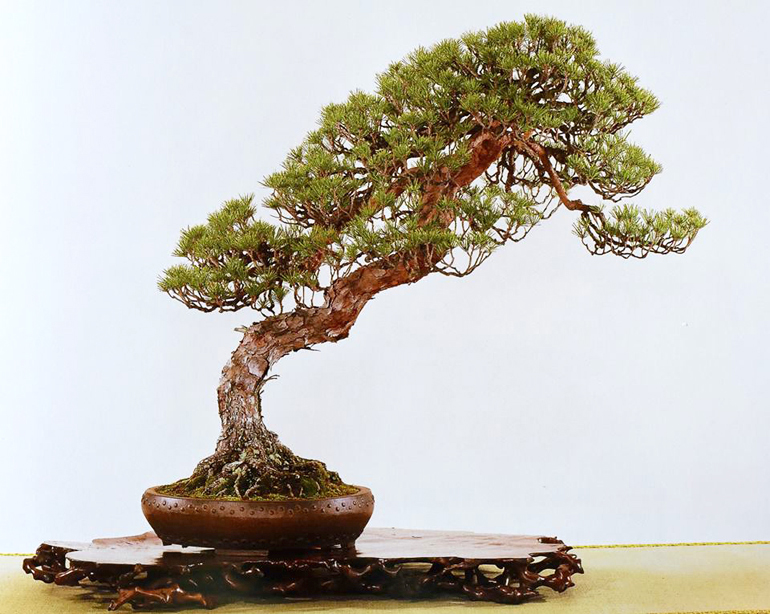 It's easy to see how the Red pine got its name
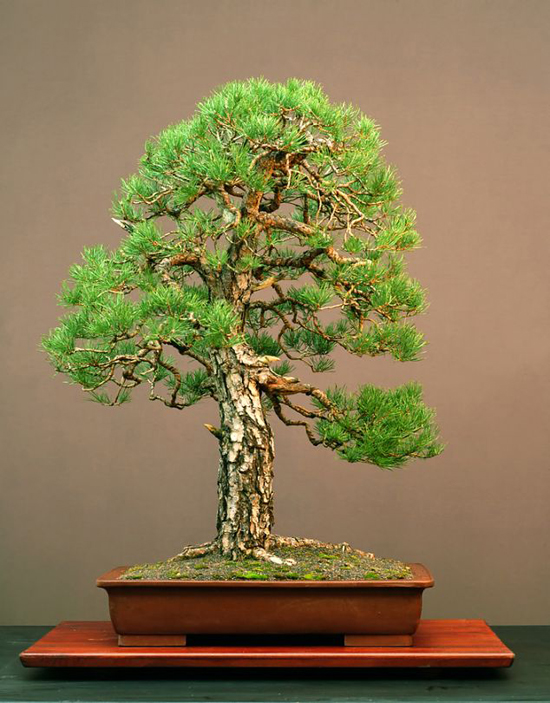
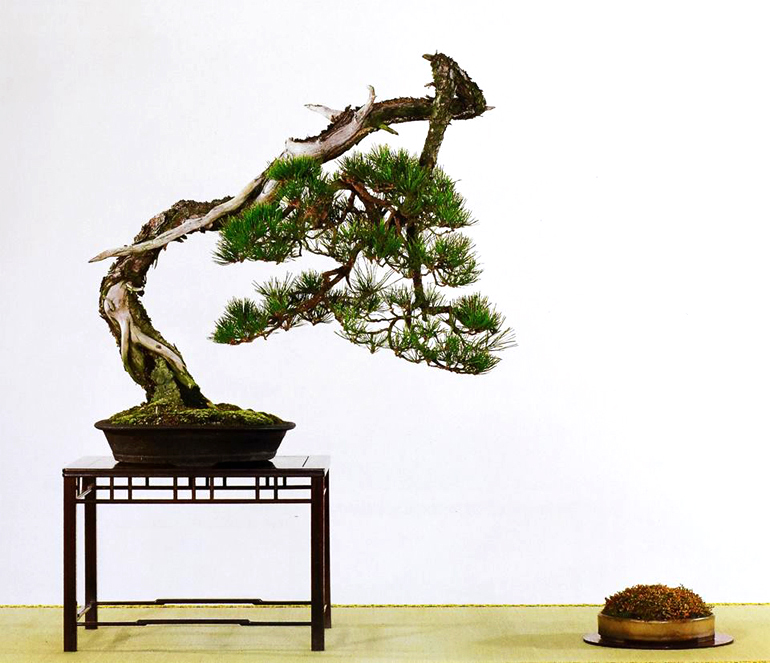 Here's a unique tree, especially if you like eccentric trunks. If you look at the branching, this one is even less stylized than the one at the top of the post
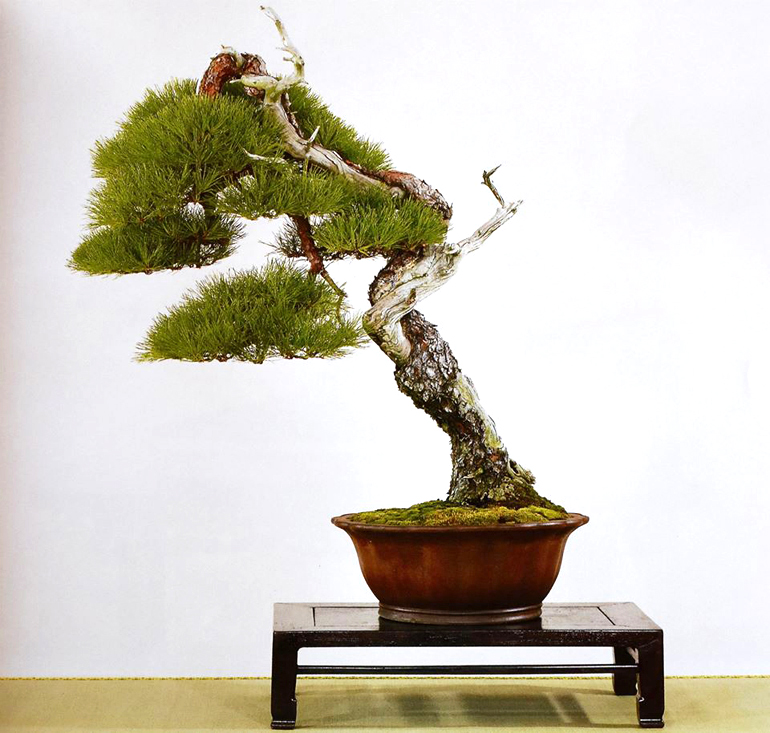 Saving the best for last. If I had to play favorites, I'd chose this one and the one at the top of the post. BTW: Have you noticed how almost all the trees in this post are in reddish pots? I suspect that's no coincidence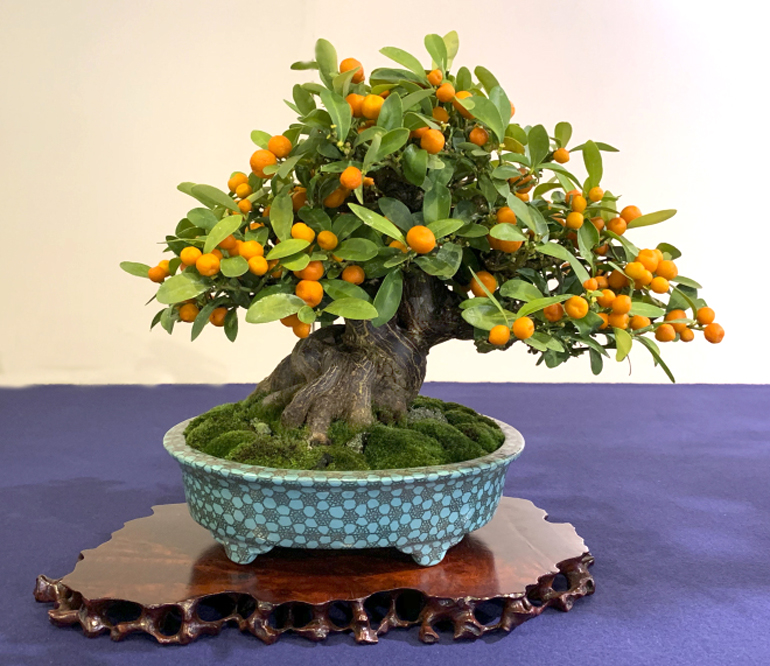
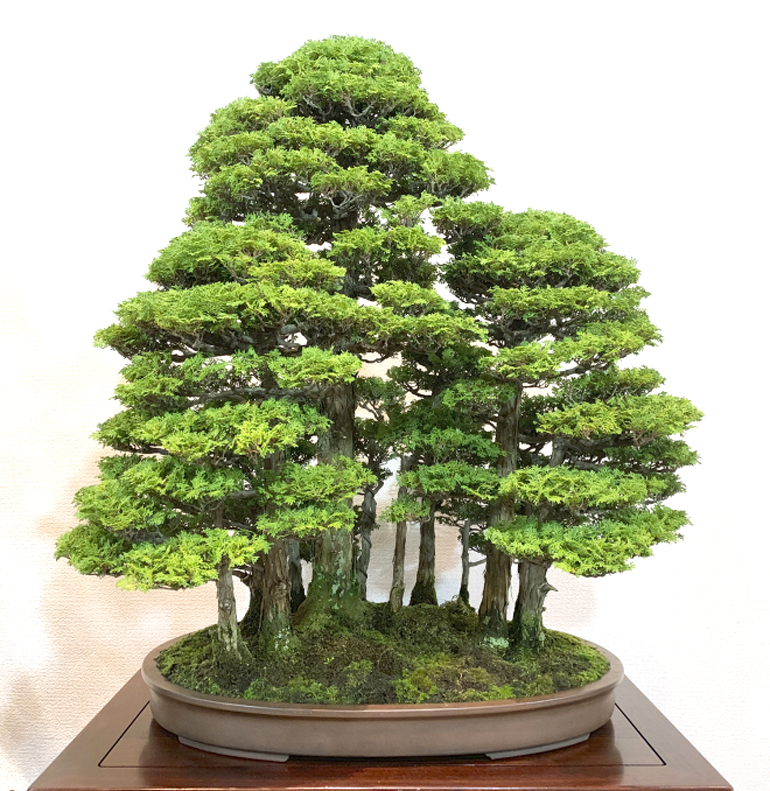 We've been featuring forests lately and this one fits right in. It's Tsuyama Hinoki forest that won a People’s Choice award. And no wonder. with it's near perfect natural, uncontrived look
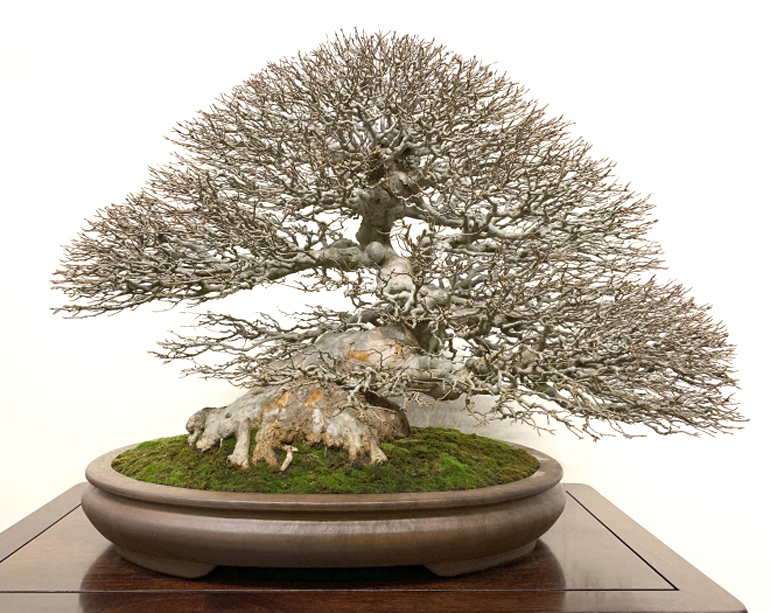 Here's Bill's caption for this one... "Mr. Saito displayed one of his many bonsai, a past Kokufu Prize Trident maple"
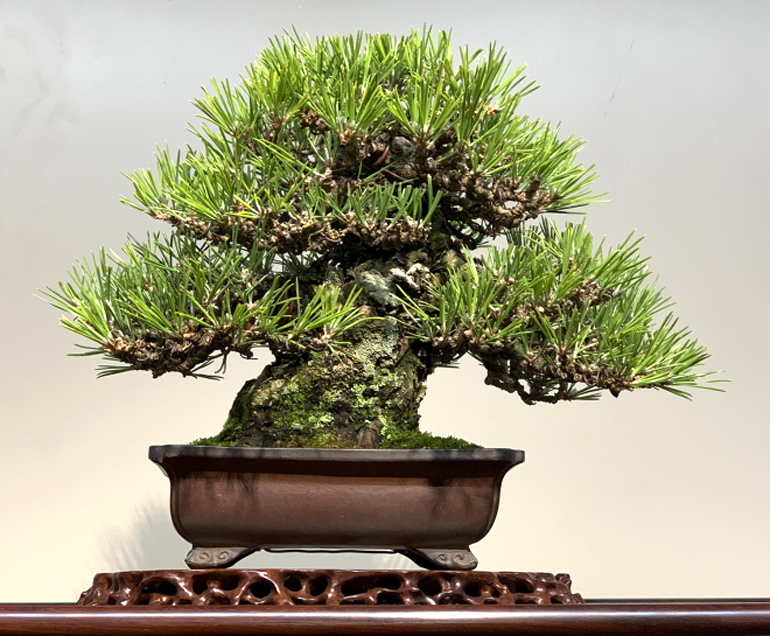 Japanese Black Pine. I like small trees with powerful trunks that almost completely fill the pot. Especially when they're this well done
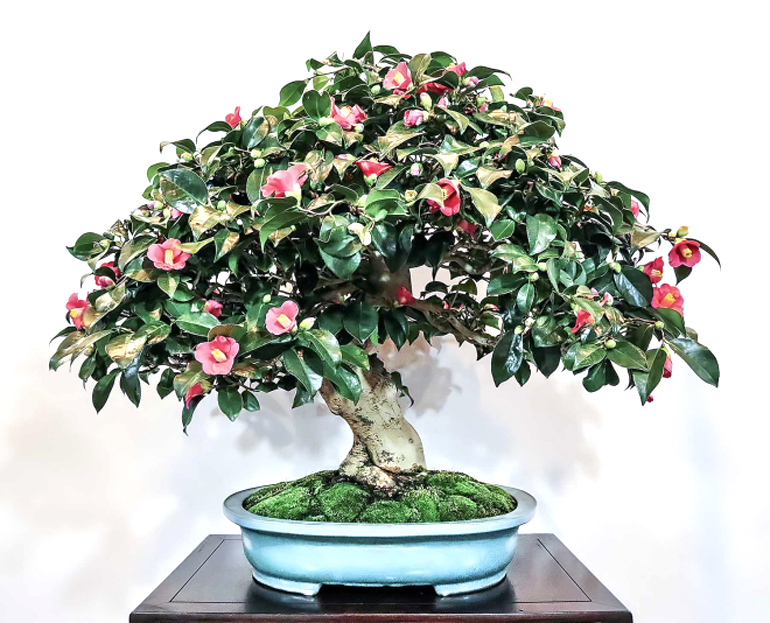 Camellia in bloom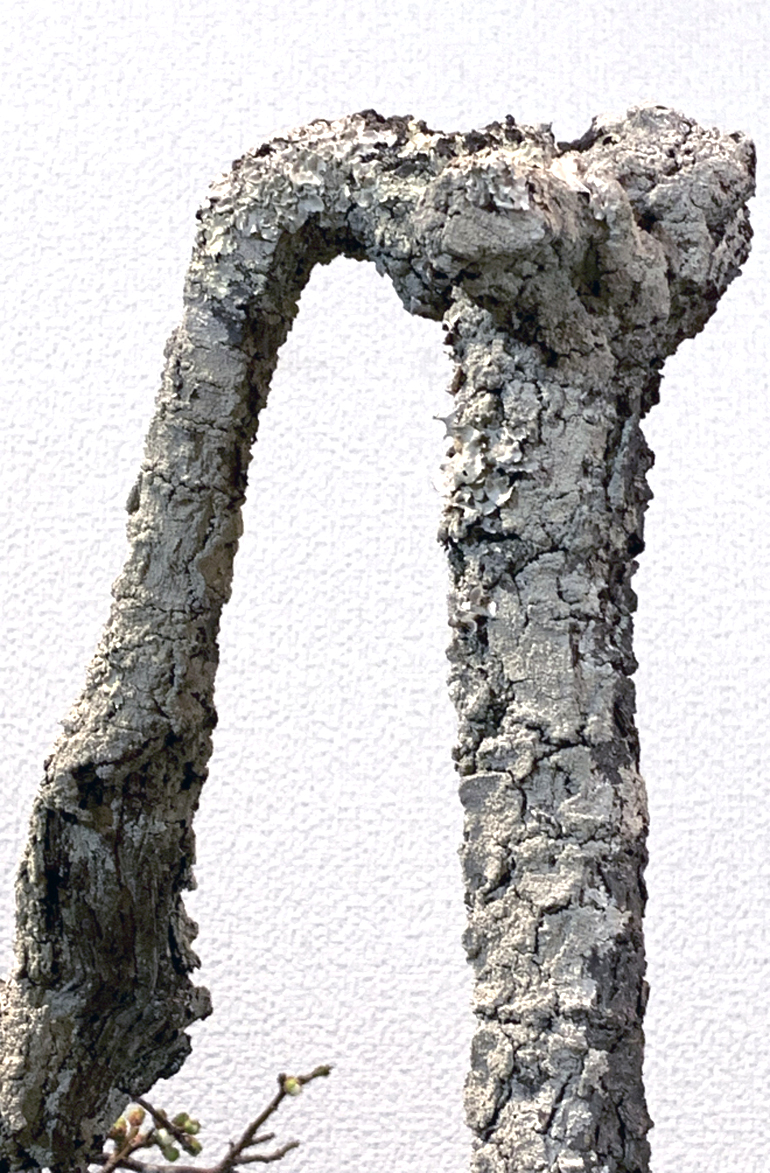
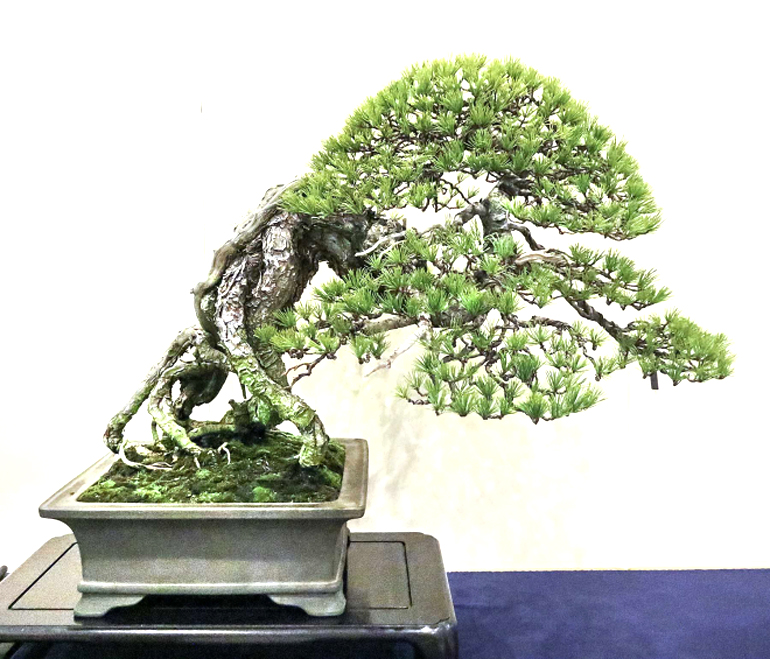 Japanese Five-needle Pine, aka Japanese white pine (Pinus parviflora)